AI SEO Services · Houston, Texas
Houston SEO Company | Dairy Ashford Office + Free Audit
SEO Company Houston Dairy Ashford | Actual SEO Media, Inc.
West Houston's most active business corridor runs right through Dairy Ashford Road, and Actual SEO Media, Inc. has positioned its Dairy Ashford office at the heart of it. Located at 1880 S Dairy Ashford Rd Ste 682, Houston, TX 77077, our team delivers full-service SEO and digital marketing to the businesses that drive Houston's economy — from energy giants near the Energy Corridor to family-owned restaurants along Westheimer. Whether you are a solo practitioner, a mid-size professional services firm, or a multi-location retail brand, our Dairy Ashford specialists build search strategies that put you in front of the customers already looking for you online.
Having a local office on Dairy Ashford Road is not a formality. It means our strategists shop at the same centers you do, drive the same congested feeder roads, and understand the hyper-local competitive landscape that purely remote agencies simply cannot replicate. We know which zip codes are converting, which competitors are dominating page one right now, and what the residents of 77077 actually type into Google when they need a product or service like yours. That ground-level insight, combined with enterprise-grade SEO tools and a team of certified digital marketing professionals, is what makes Actual SEO Media the go-to SEO company in the Houston Dairy Ashford area. Call us today at (346) 946-9494 or email [email protected] to start the conversation.
Your Local SEO Partner on Dairy Ashford Road
West Houston is home to a diverse mix of thriving residential communities and major commercial districts, each presenting unique opportunities for businesses looking to grow their online presence. In the prestigious Memorial Villages—including Piney Point Village, Hunters Creek Village, Bunker Hill Village, Hedwig Village, Hilshire Village, and Spring Valley Village—residents frequently search online for trusted, high-quality service providers. Businesses that invest in local SEO can position themselves in front of this affluent audience at the exact moment they are ready to make a purchasing decision.
Just southwest of Dairy Ashford, Eldridge / West Oaks continues to experience rapid commercial growth, attracting new retail stores, restaurants, healthcare providers, and professional services. A strong local SEO strategy helps businesses in this area improve their visibility in Google Search and Google Maps, making it easier for nearby customers to discover them before competitors.
Briargrove Park offers another valuable market with its established residential community and high rate of homeownership. Businesses serving this neighborhood can increase their reach through location-focused content, optimized business listings, and targeted local keywords that align with how residents search for nearby products and services.
The Energy Corridor remains one of Houston's leading business hubs, home to multinational companies and a large professional workforce. Companies targeting B2B clients can benefit from industry-specific SEO strategies that improve visibility for high-value searches and connect with decision-makers actively seeking specialized services.
Meanwhile, the Westheimer Corridor is one of the city's busiest commercial destinations and one of its most competitive digital markets. Businesses here need more than basic optimization—they require a comprehensive digital marketing approach that combines SEO, paid advertising, content marketing, and social media to consistently stand out and generate qualified leads.
Wherever your customers are located across West Houston, our local SEO strategies are designed to increase your visibility where it matters most. Through neighborhood-focused keyword research, locally relevant content, optimized Google Business Profiles, and structured data implementation, we help your business appear prominently in both organic search results and the Google Local Pack, driving more traffic, qualified leads, and long-term business growth.
Digital Marketing Services at Our Dairy Ashford Office
Actual SEO Media offers a comprehensive suite of digital marketing services from our Dairy Ashford location. Every campaign is custom-built around your business goals, competitive landscape, and target audience — not recycled from a template. Below is a full overview of what our digital marketing agency in Dairy Ashford, Houston can do for you.
Local SEO for Dairy Ashford Businesses
Local SEO is the practice of optimizing your online presence so that customers in your geographic service area find you first. For businesses operating in the 77077 zip code and surrounding West Houston communities, local search visibility is not optional — it is the single highest-ROI digital marketing channel available. When someone in the Energy Corridor types "contract law firm near me" or a Briargrove Park homeowner searches "HVAC repair 77077," your business should appear at the top of those results.
Our local SEO programs for Dairy Ashford businesses include comprehensive on-page optimization, local keyword targeting down to the neighborhood level, citation building across the top 50+ directory platforms, Google Business Profile management, review generation strategy, and geo-targeted content creation. We also conduct a full local competitive audit at campaign launch so you understand exactly who you are competing against and what it will take to outrank them. Our local SEO services are designed to produce measurable ranking improvements within 90 days for most Dairy Ashford market segments.
Technical SEO Audits & Optimization
Even the most compelling website content cannot rank if search engine crawlers cannot efficiently access, index, and understand your site. Technical SEO addresses the foundational infrastructure that determines whether Google promotes or ignores your pages. Our Dairy Ashford technical SEO specialists conduct deep-dive audits covering crawl budget efficiency, page speed (Core Web Vitals compliance), mobile usability, HTTPS security, XML sitemap health, structured data implementation, duplicate content identification, and canonical tag correctness.
After delivering a prioritized audit report, we handle remediation directly — no vague recommendations handed off to a developer who may never act on them. Our team fixes technical issues at the code level, validates corrections in Google Search Console, and monitors for regressions on a rolling basis. For businesses in the competitive 77077 corridor, clean technical SEO is often the fastest path to measurable ranking gains.
Content Writing & Article Marketing
Content is the currency of organic search. Google's algorithms consistently reward websites that publish authoritative, well-researched, and genuinely helpful content — and penalize thin or AI-spun pages that add no real value. Our in-house content team includes writers with industry-specific expertise in energy, healthcare, legal, and financial topics, allowing us to produce articles that satisfy both search algorithms and discerning professional audiences.
Every piece of content we create is grounded in keyword research, competitive gap analysis, and search intent mapping. We publish long-form pillar pages, supporting cluster articles, location-specific landing pages, and shareable resources that earn natural backlinks over time. For Dairy Ashford businesses seeking to dominate niche search queries in the West Houston market, a consistent content marketing program delivers compounding returns that paid advertising simply cannot replicate.
Google Business Profile Management
Your Google Business Profile (GBP) is the most visible piece of real estate you own on the internet — and most businesses are leaving a significant portion of its potential untapped. A fully optimized GBP listing drives calls, direction requests, and website clicks from customers who are already in a buying mindset. Our team handles every element of your profile: category selection and attribute optimization, photo and video uploads, service and product listings, Q&A management, post scheduling, and review response protocols.
We also track GBP performance metrics week-over-week and adjust the strategy based on what the data shows. For Dairy Ashford businesses competing in the Local Pack, professional Google Business Profile optimization is one of the most direct levers for increasing foot traffic and phone inquiries within 30–60 days.
Pay-Per-Click (PPC) Management
When you need leads immediately rather than six months from now, pay-per-click (PPC) advertising fills the gap. Our Dairy Ashford PPC specialists manage Google Ads and Microsoft Advertising campaigns for West Houston businesses across all major verticals. Every campaign we launch is built on rigorous keyword research, negative keyword sculpting, audience targeting, and landing page optimization to minimize cost-per-acquisition and maximize return on ad spend.
We provide transparent reporting — you always know exactly what your budget is buying. PPC and SEO work most effectively in tandem, and our integrated approach ensures both channels reinforce each other rather than cannibalize budget.
Social Media Marketing
Social media marketing builds brand awareness, nurtures audiences that are not yet ready to convert, and generates social signals that can influence organic search rankings. Our team manages presence across Facebook, Instagram, LinkedIn, and other platforms relevant to your industry, creating platform-native content that grows your following and drives engagement.
For B2B companies near the Energy Corridor, LinkedIn strategy is a particular specialty — we help professional services firms build authority, generate inbound inquiries, and stay top-of-mind with decision-makers at the region's largest employers. Social media management from our Dairy Ashford office includes content calendaring, community management, paid social advertising, and monthly performance reporting.
Industries We Serve Near Dairy Ashford
The Dairy Ashford corridor and surrounding West Houston market support one of the most diverse commercial ecosystems in Texas. Actual SEO Media has built specialized knowledge in the industries that define this region, allowing us to deliver SEO and digital marketing strategies that speak to your customers in language they trust.
Energy & Oil and Gas: The Energy Corridor west of Dairy Ashford houses the headquarters and major offices of companies including Shell, BP, ConocoPhillips, and dozens of mid-size operators and service firms. We help energy sector businesses — both B2B service providers and consumer-facing brands — capture search traffic from procurement decision-makers and industry professionals actively researching vendors online.
Healthcare & Medical Practices: West Houston's affluent, health-conscious population supports a thriving ecosystem of independent medical practices, specialty clinics, dental offices, and allied health providers. We optimize for high-intent local queries like "internist near Energy Corridor" and "pediatric dentist 77077," helping providers fill their patient pipelines through organic search and Google Maps visibility.
Legal Services: Law firms in the 77077 corridor compete fiercely for personal injury, family law, estate planning, and business litigation clients. Our legal SEO programs address the specific compliance nuances of attorney advertising while building the domain authority and local citations that push practice websites to page one.
Financial & Accounting Services: CPA firms, wealth management advisors, and financial planning practices serving West Houston's high-net-worth population benefit from trust-building content strategies, precise local targeting, and authoritative backlink profiles that distinguish credentialed professionals from less-qualified competitors.
Real Estate: Houston's West Side real estate market is perpetually active. From Memorial Villages luxury listings to Eldridge new-construction communities, realtors and brokerages need neighborhood-level content strategies and Google Business Profile optimization to capture buyer and seller leads before competitors do.
Retail & Restaurants: The Westheimer corridor and surrounding shopping centers generate enormous foot-traffic-driven search volume. We help retail and restaurant operators in the Dairy Ashford area dominate "near me" searches, manage their review presence, and run geo-targeted paid campaigns that drive in-store visits and reservations.
Do not see your industry listed? Our full SEO services portfolio spans virtually every commercial vertical. Contact our Dairy Ashford office and we will outline exactly how we can help your specific business type grow online.
Why Dairy Ashford Businesses Choose ASM
Choosing an SEO partner is a significant business decision. Digital marketing agencies make similar promises, but very few deliver consistent, documented results. Here is what distinguishes Actual SEO Media from other agencies competing for your business in the West Houston market.
Genuine Local Knowledge: Our Dairy Ashford office is not a mail drop. Our team members live and work in West Houston. We understand the competitive nuances of the 77077 zip code, the seasonal search patterns unique to Houston's energy-driven economy, and the neighborhood-level differences in consumer behavior that make a Memorial Villages campaign different from an Eldridge campaign. That local intelligence informs every strategy we build.
Established Houston Team: As an established Houston SEO company, Actual SEO Media has helped hundreds of Texas businesses grow their organic search visibility, increase qualified web traffic, and convert more leads into paying customers. We track every key performance indicator — keyword rankings, organic sessions, conversion events, and revenue attribution — and share the data with you in plain language, not vanity metrics.
Transparent Reporting: You will never wonder what we are doing with your marketing budget. Every client receives a dedicated account manager, a live reporting dashboard, and monthly strategy calls that connect our activities directly to business outcomes. We welcome scrutiny because our results speak for themselves. Our West Houston SEO office is always available for in-person meetings — because face-to-face accountability matters.
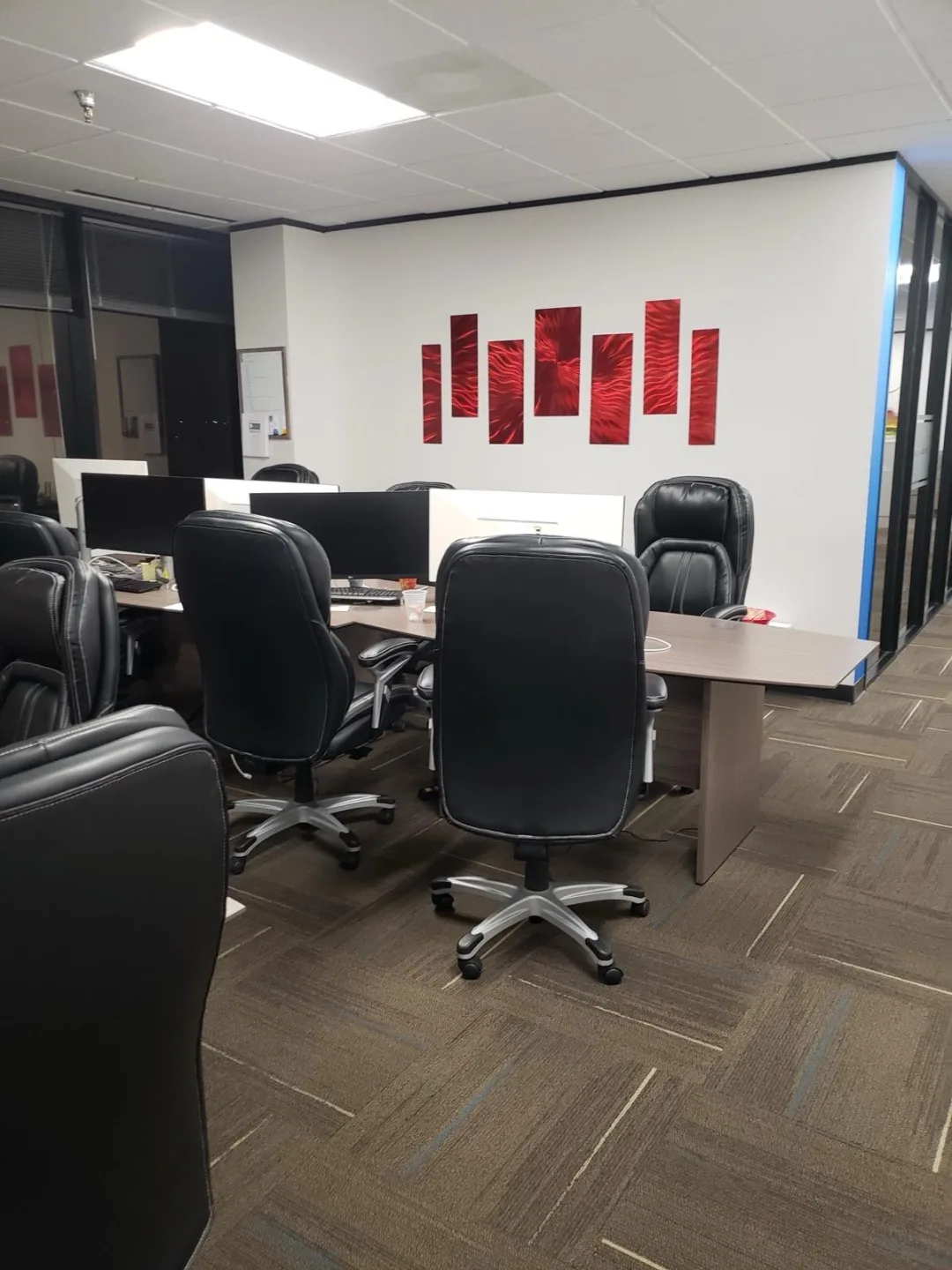
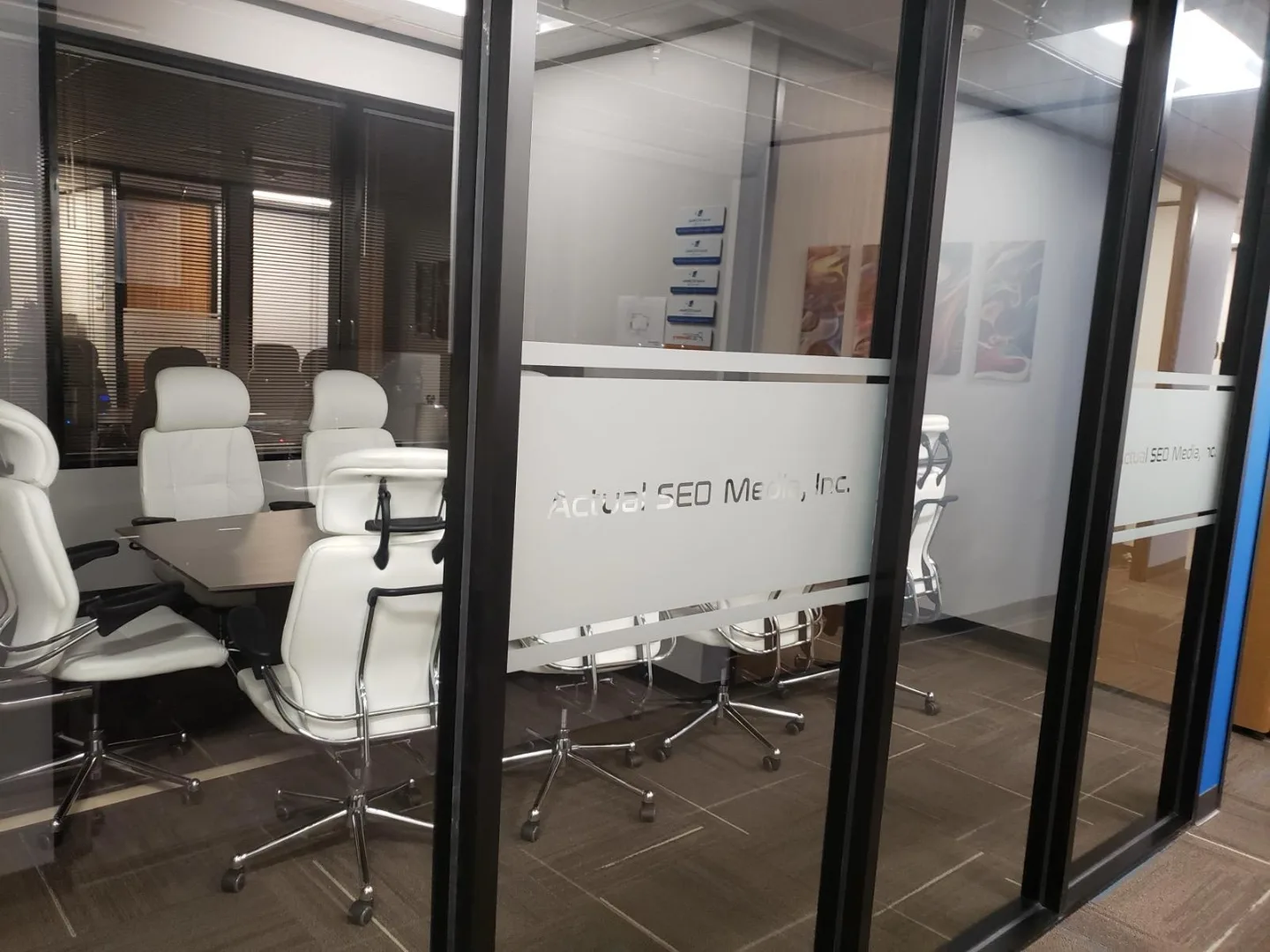
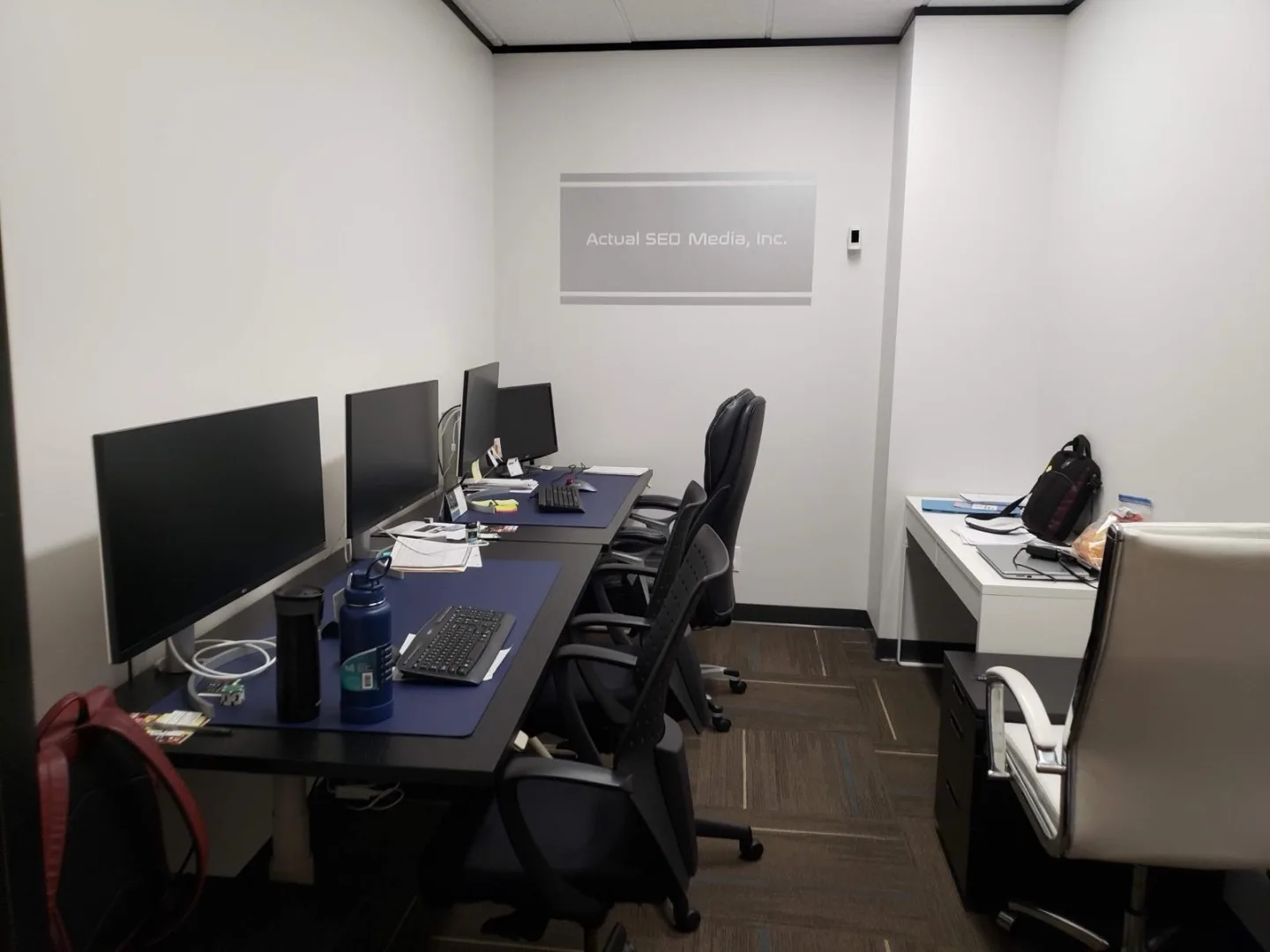
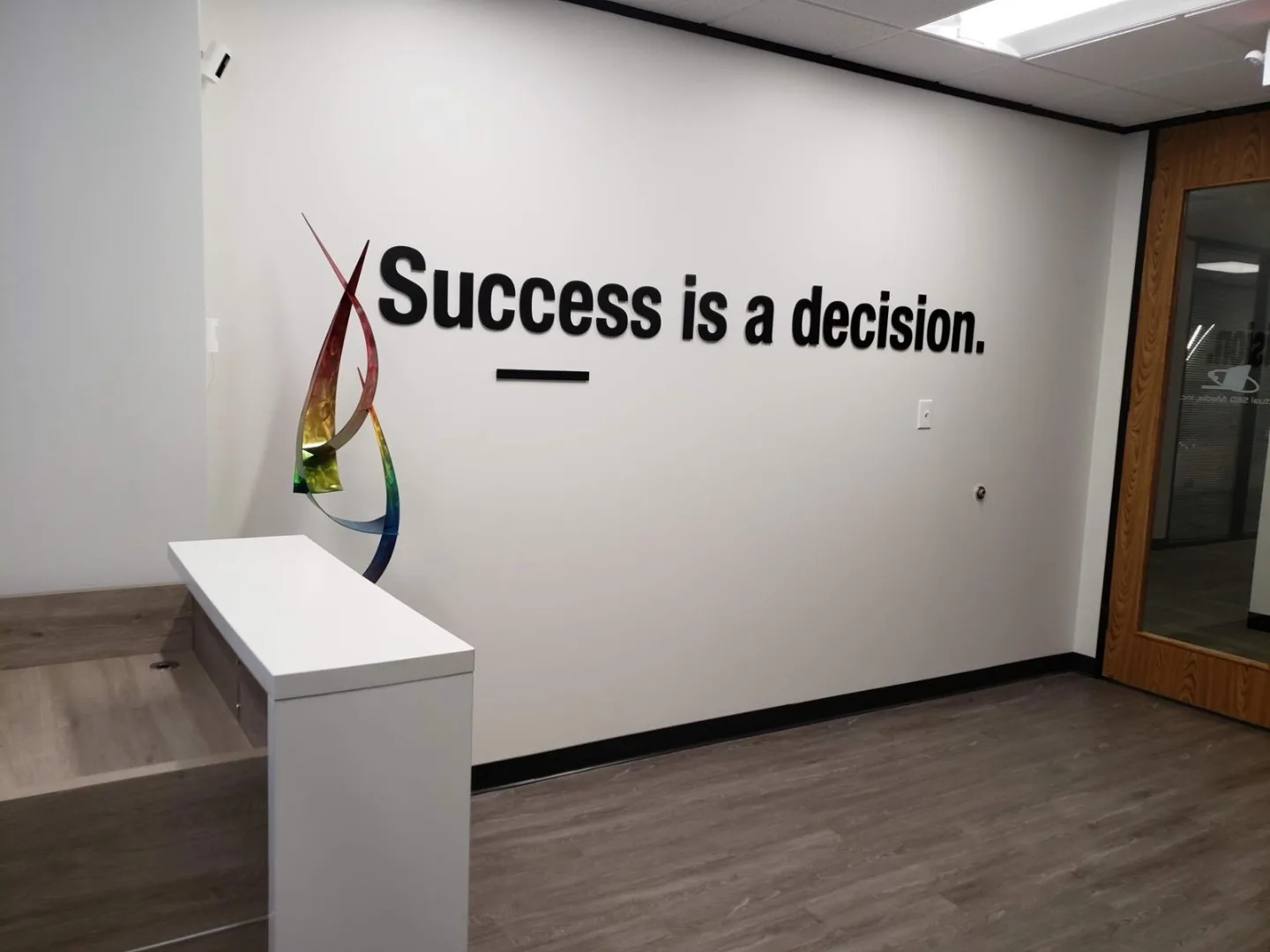
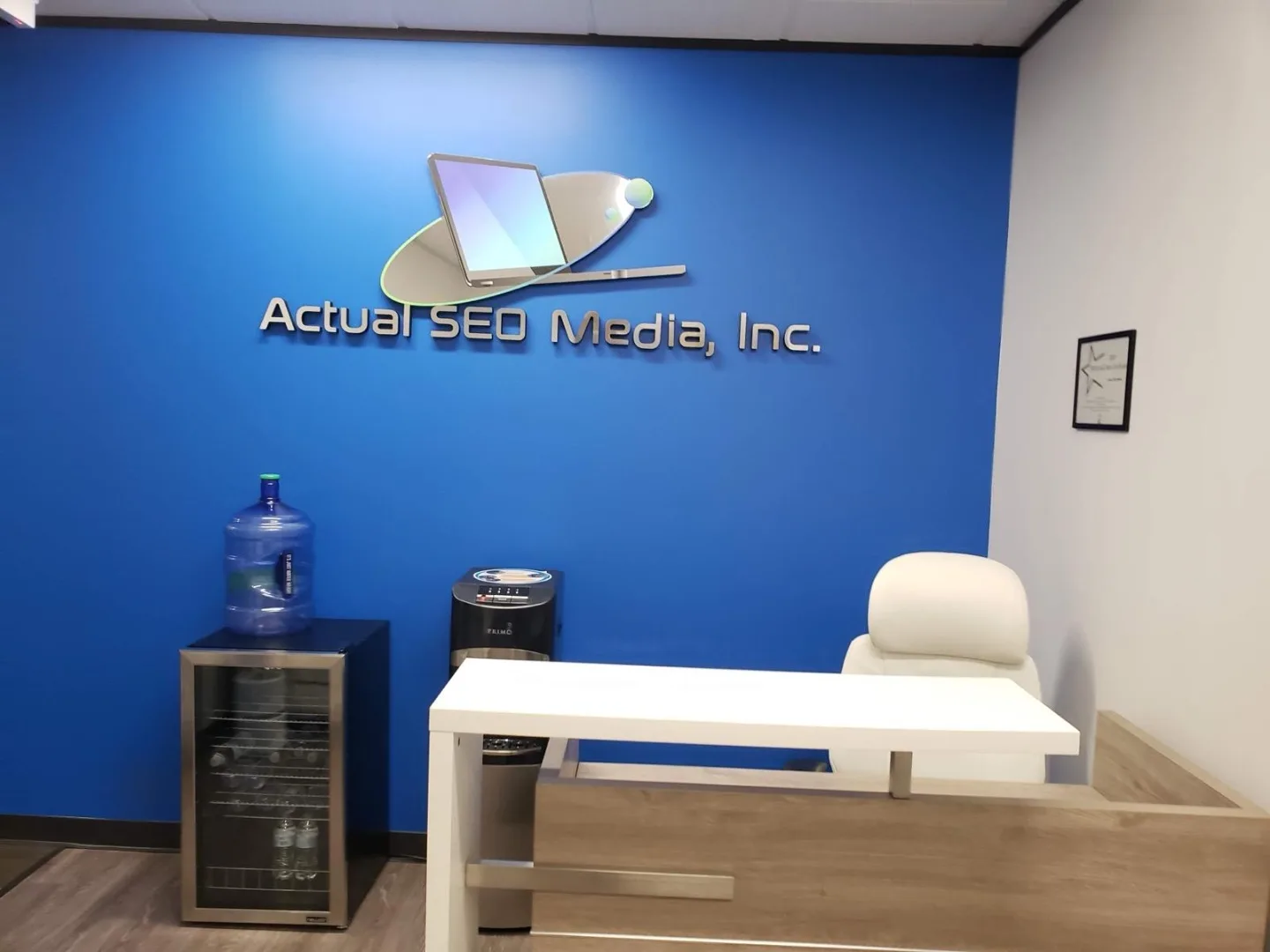
A Look Inside Our Dairy Ashford Office
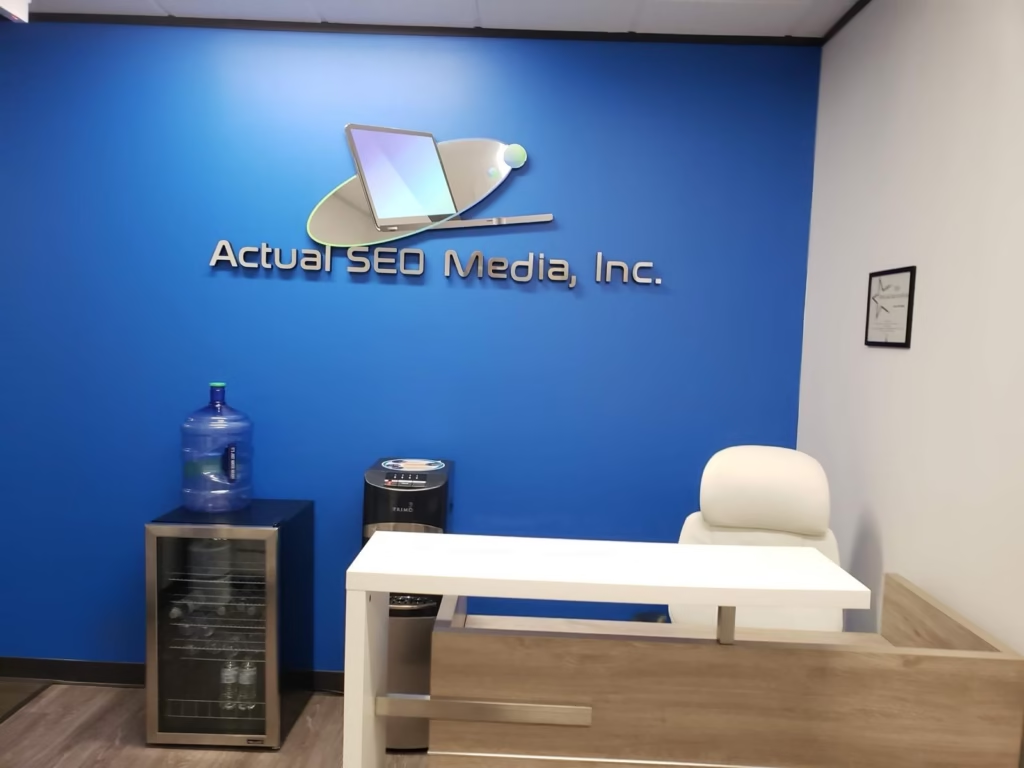
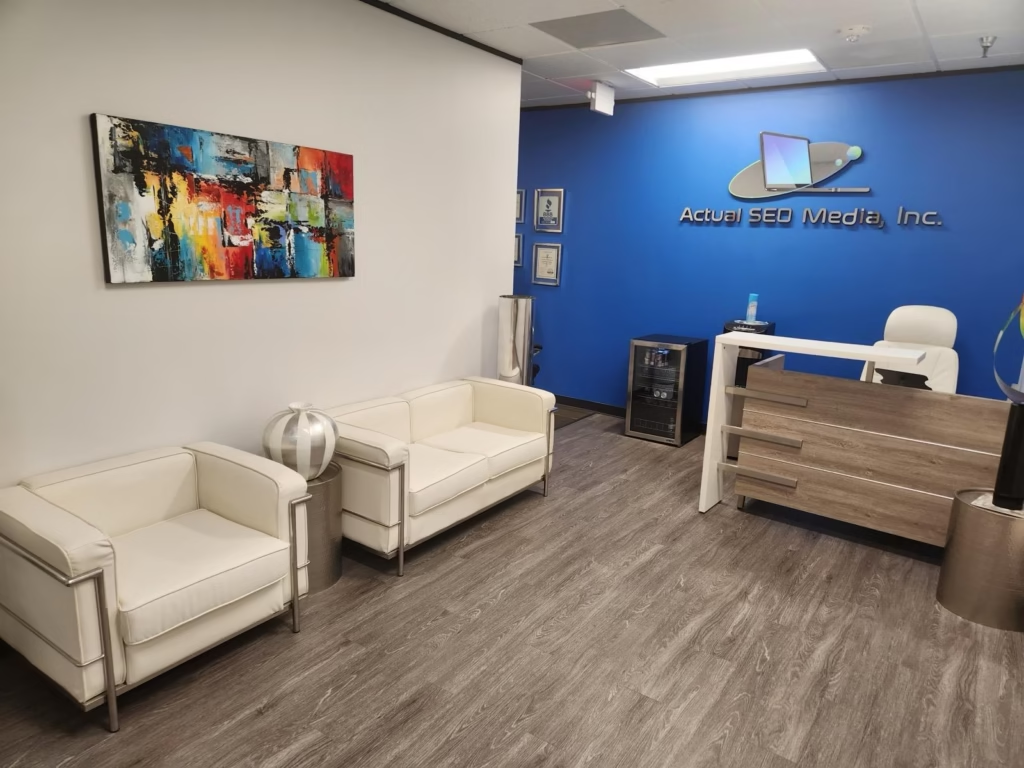
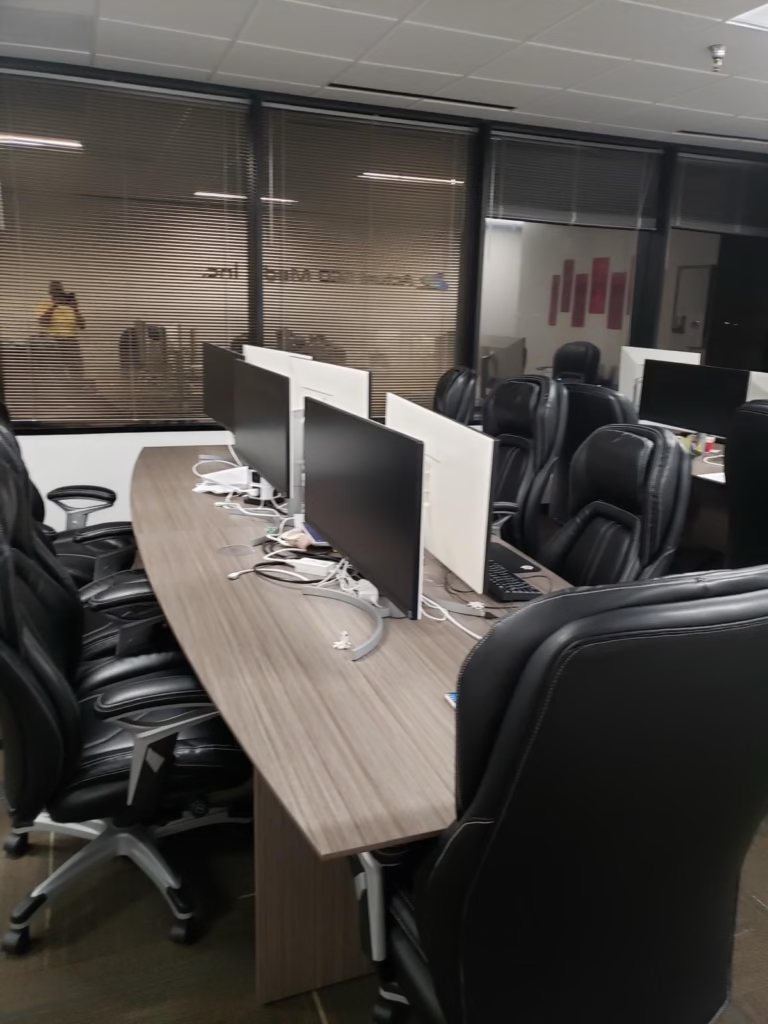
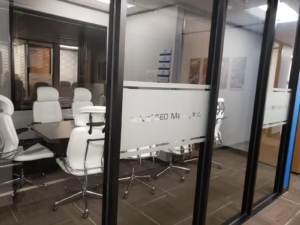
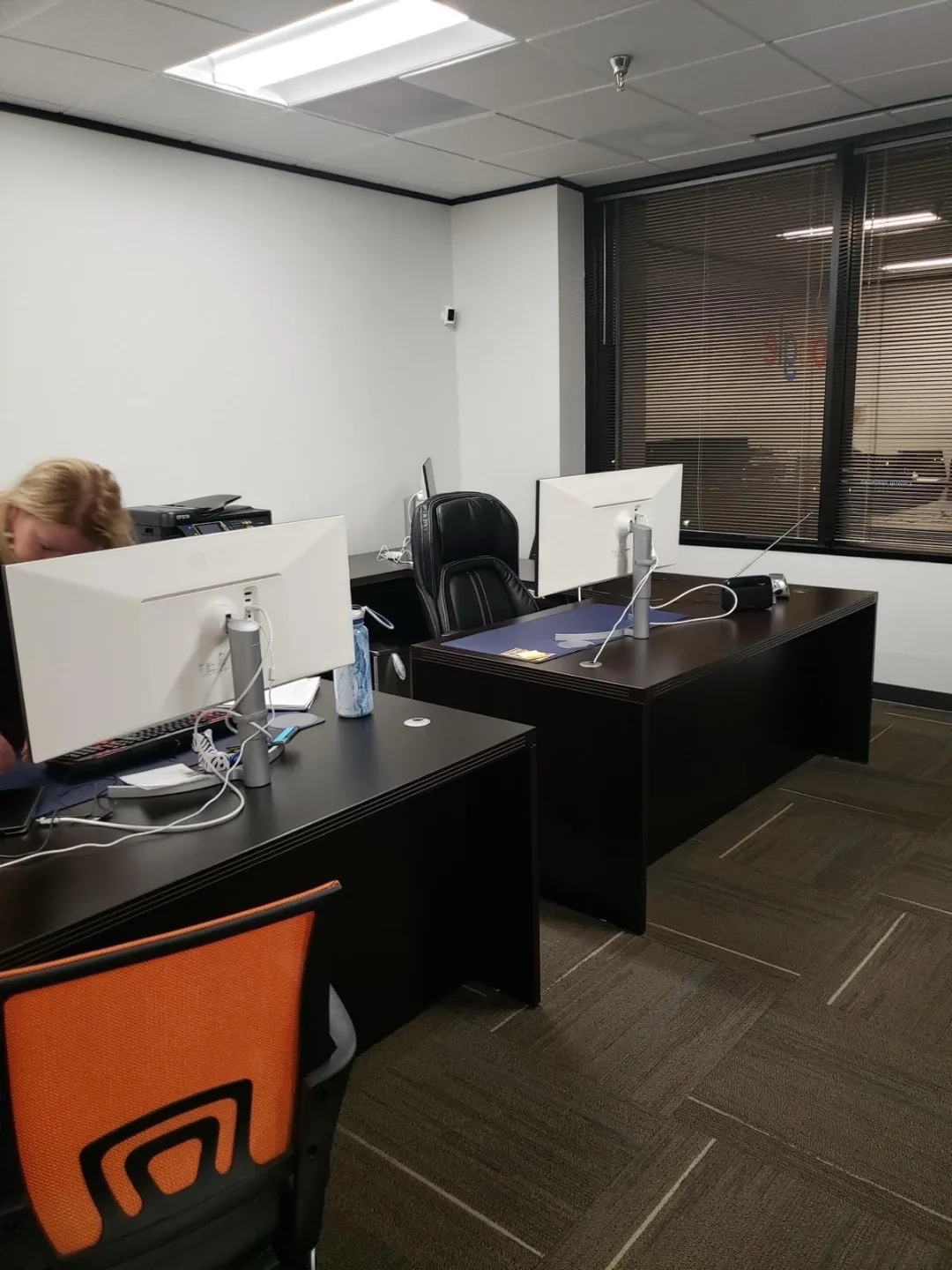
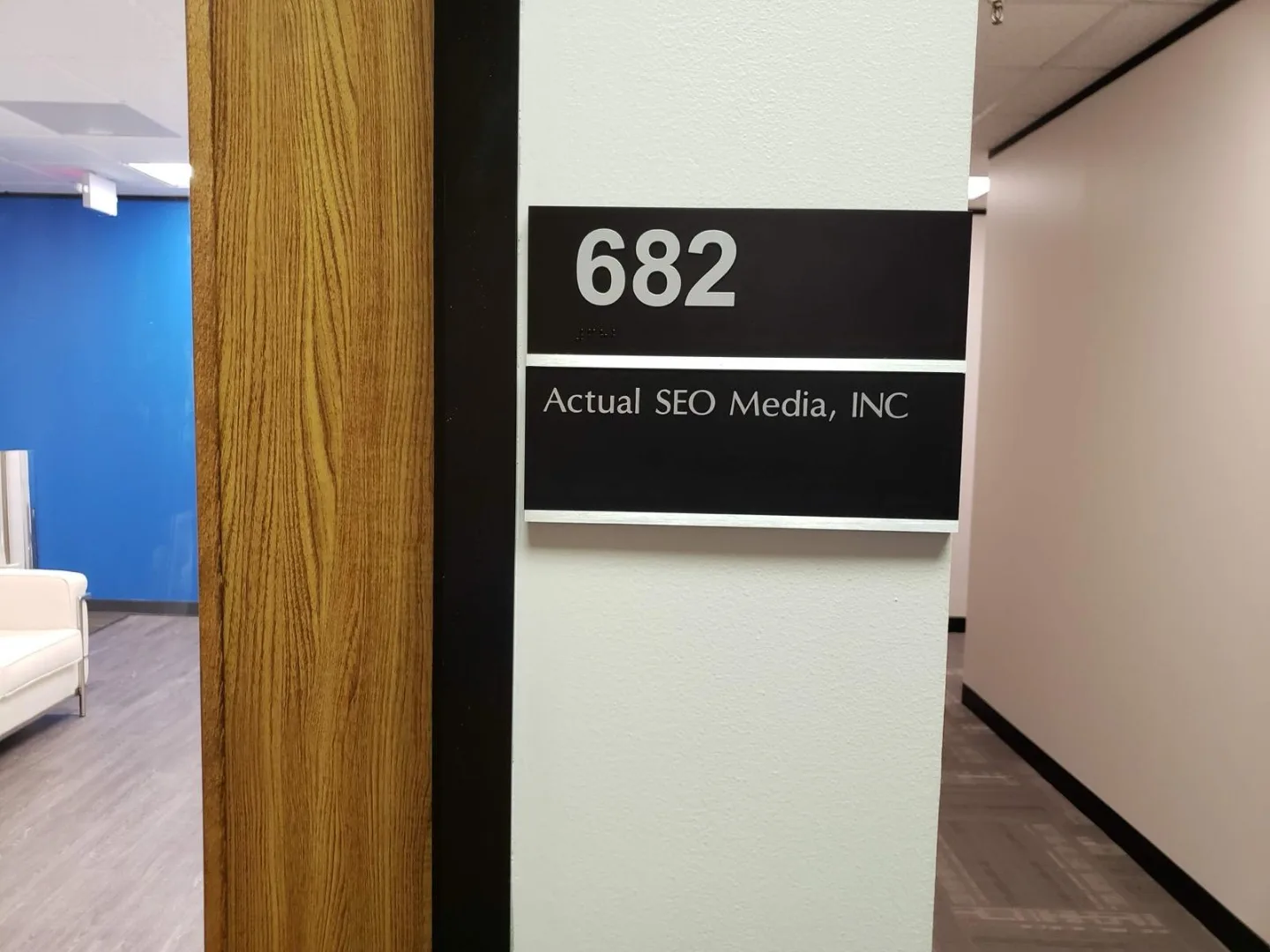
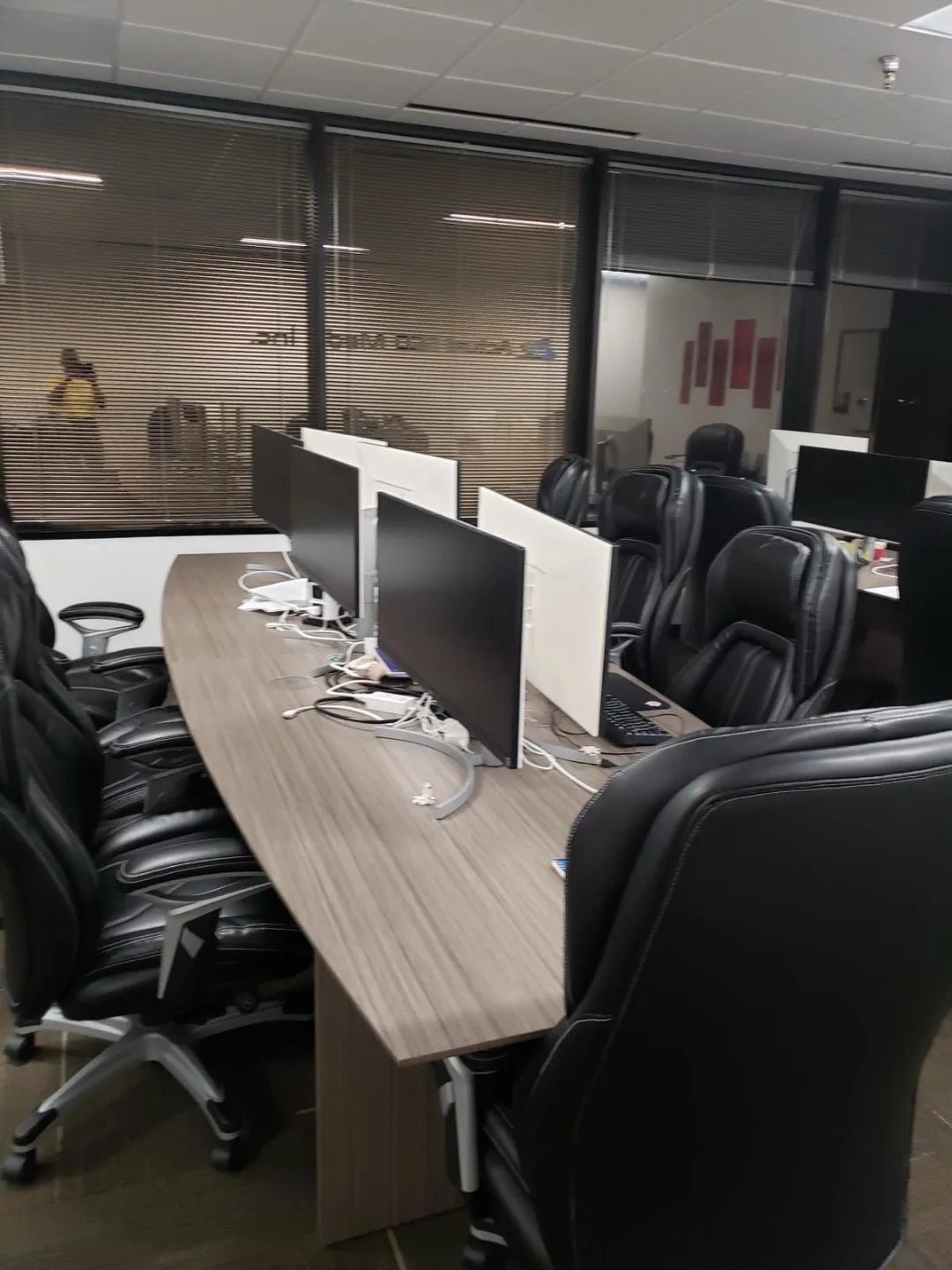
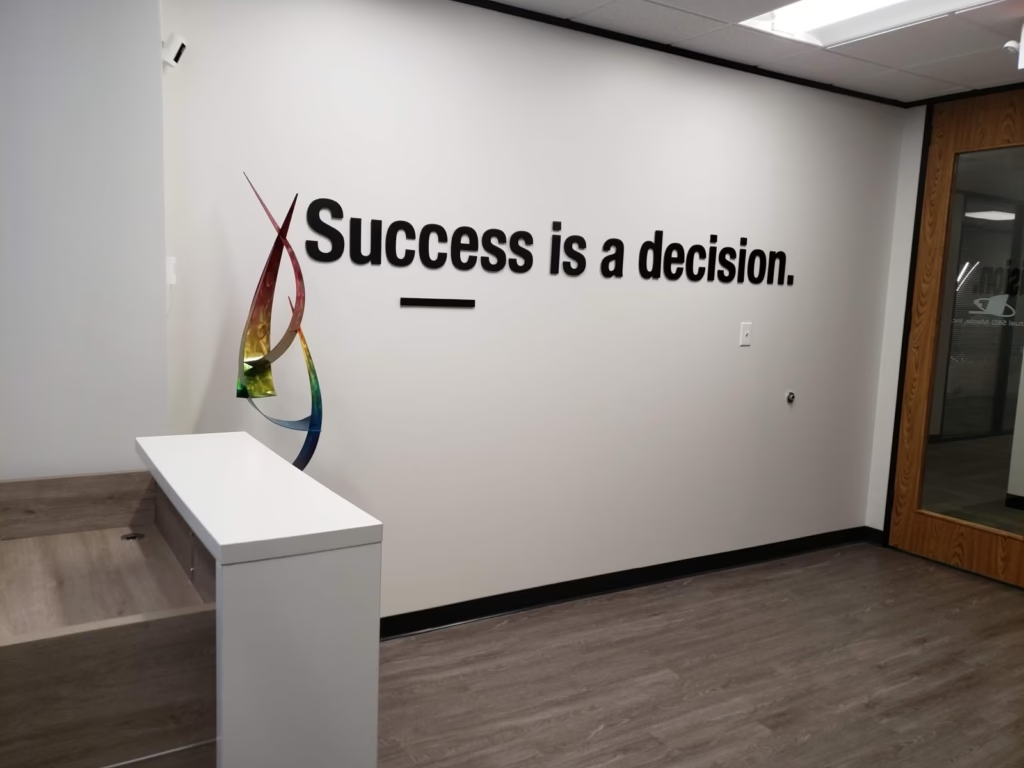
Our Suite 682 office includes a dedicated conference room, private workstations, and a staffed reception area — here is a real look at where our Dairy Ashford team works every day.
Office Location & Hours
Our Dairy Ashford office is conveniently located in the heart of West Houston's professional services district, with easy access from both I-10 (Katy Freeway) and Westheimer Road.
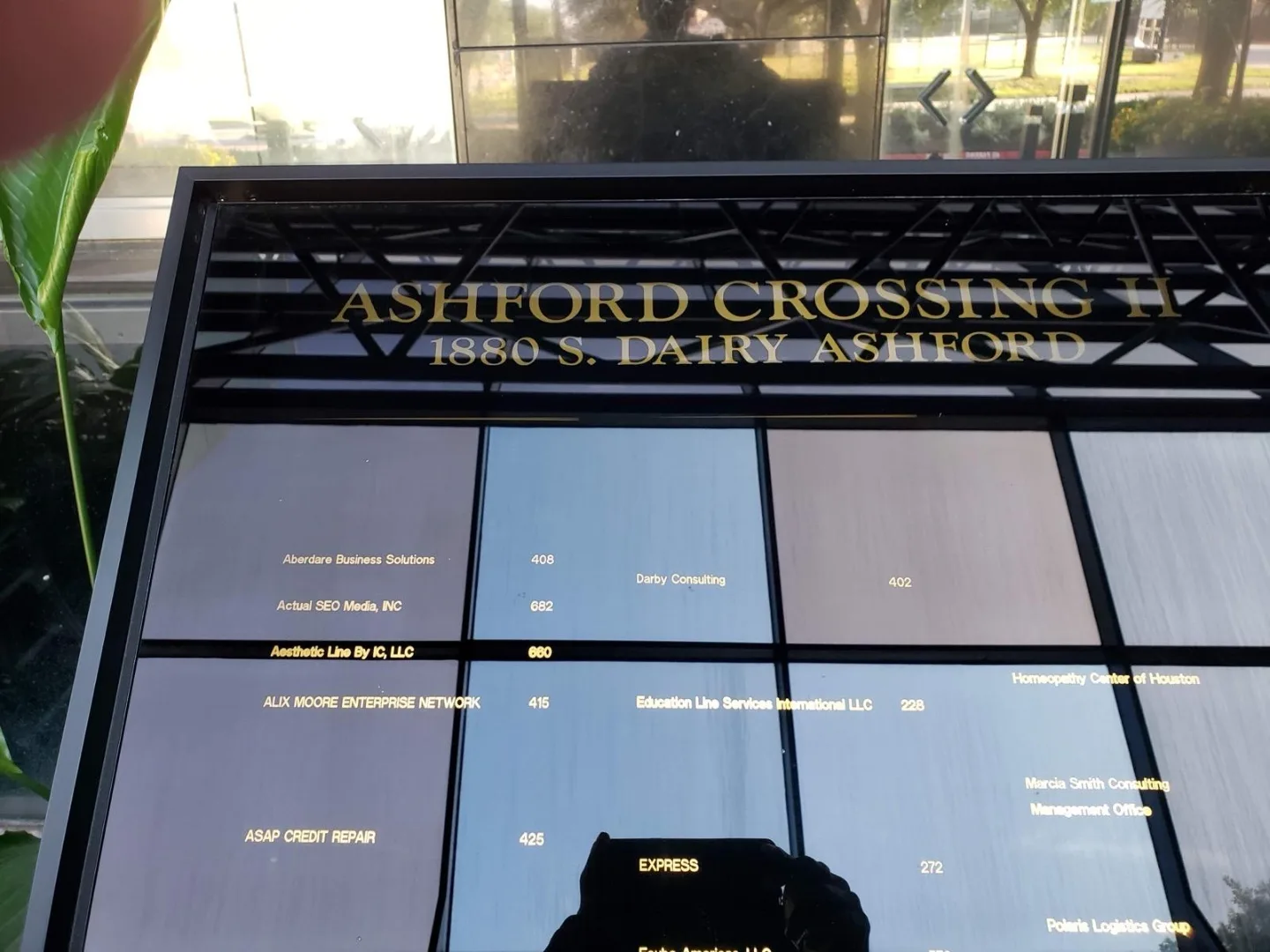
Actual SEO Media, Inc. — Dairy Ashford1880 S Dairy Ashford Rd Ste 682
Houston, TX 77077, United States
Phone: (346) 946-9494
Email: [email protected]
Hours of Operation: Monday – Sunday, 8:00 AM – 8:00 PM
Directions: From I-10 West, take the S Dairy Ashford Rd exit and head south approximately one mile. From Westheimer Road, head north on S Dairy Ashford Rd. Suite 682 is located on the sixth floor of the building at 1880 S Dairy Ashford Rd. Ample surface parking is available at no charge in the building's front and side lots. The office is also accessible via METRO bus routes serving the Dairy Ashford corridor.
Whether you prefer to meet in person, jump on a video call, or simply pick up the phone, our team is available seven days a week to discuss your digital marketing needs. We proudly serve the entire West Houston market from this location, complementing our broader network of Houston offices.
Frequently Asked Questions — Dairy Ashford SEO
Answers to the questions we hear most often from businesses considering our Dairy Ashford office for SEO and digital marketing.
What SEO services do you offer at your Dairy Ashford location?
Our Dairy Ashford office delivers the full Actual SEO Media service portfolio, including local SEO, technical SEO audits and remediation, content writing and article marketing, Google Business Profile management, pay-per-click advertising (Google Ads and Microsoft Advertising), social media marketing, and professional web design. Every service is available as a standalone engagement or as part of a comprehensive digital marketing retainer tailored to your budget and growth objectives. Visit our full SEO services page for a complete overview.
How do I get to your Dairy Ashford office?
We are located at 1880 S Dairy Ashford Rd Ste 682, Houston, TX 77077. From Interstate 10 West (Katy Freeway), take the S Dairy Ashford Rd exit and drive south for approximately one mile — the building will be on your left. From Westheimer Road, simply head north on S Dairy Ashford Rd. Free parking is available in the front and side lots. Our office is open seven days a week from 8:00 AM to 8:00 PM, and we recommend calling ahead to schedule an appointment so a strategist is dedicated to your visit.
Do you work with energy sector companies near the Energy Corridor?
Yes — the Energy Corridor is one of our primary service areas, and energy sector digital marketing is a core competency of our Dairy Ashford team. We work with oilfield service companies, engineering and consulting firms, staffing agencies specializing in energy talent, and consumer-facing businesses that serve the large employee population working in the Corridor. Our B2B SEO strategies for energy companies focus on ranking for procurement-intent keywords, building domain authority through industry-specific content, and generating inbound leads from decision-makers actively researching vendors online.
How quickly can I expect SEO results in the Houston 77077 area?
SEO timelines vary based on your current website authority, the competitive density of your target keywords, and the scope of work involved. For most businesses in the 77077 market, clients begin seeing measurable keyword ranking improvements within 60–90 days of campaign launch, with more significant organic traffic gains occurring in months three through six. Highly competitive industries — like personal injury law or multi-location healthcare — may require six to twelve months for dominant page-one positioning. We set realistic expectations at the outset and provide monthly ranking and traffic reports so you can track progress transparently throughout the engagement.
Do you offer free consultations at Dairy Ashford?
Absolutely. Every new client relationship at Actual SEO Media begins with a complimentary SEO consultation and website audit at no cost and with no obligation. During this session, one of our Dairy Ashford strategists will review your current website performance, identify your most pressing technical and content gaps, analyze your top local competitors, and present a custom roadmap for improving your search visibility. You can schedule your free consultation by calling (346) 946-9494, emailing [email protected], or by completing the contact form on this page.
Can you help my medical practice rank on Google in the Dairy Ashford area?
Yes. Healthcare SEO is one of our most requested specialties in the West Houston market. We help primary care physicians, specialty practices, dental offices, chiropractic clinics, physical therapy centers, and other healthcare providers rank prominently for high-intent patient search queries in the 77077 area and surrounding zip codes. Our medical SEO programs include HIPAA-aware content development, Google Business Profile optimization for healthcare providers, review generation strategies that comply with professional ethics guidelines, and local citation management across health-specific directories such as Healthgrades, Zocdoc, and Vitals. Visit our local SEO services page to learn more about our healthcare-specific approach.
What is the difference between local SEO and regular SEO?
Traditional (or "organic") SEO focuses on improving a website's visibility in national or global search results for broad keyword terms. Local SEO, by contrast, is specifically designed to improve visibility in geographically modified searches — queries that include a city, neighborhood, or zip code, as well as "near me" searches that Google resolves using the searcher's location. Local SEO also encompasses the Google Local Pack (the map results that appear above organic listings), which is driven primarily by Google Business Profile signals rather than on-site factors alone. For businesses that serve a defined geographic market — like the Dairy Ashford corridor — local SEO typically delivers faster, more directly measurable results than broad organic campaigns.
How much does digital marketing cost for a Dairy Ashford business?
Digital marketing investment varies significantly based on your industry, competitive landscape, and the scope of services you need. A local SEO program for a single-location small business in the 77077 area typically starts in the range of several hundred dollars per month, while comprehensive multi-channel campaigns for businesses in competitive verticals — legal, healthcare, energy services — are priced accordingly to match the complexity and effort involved. At Actual SEO Media, we do not publish one-size-fits-all pricing because we do not believe in one-size-fits-all strategies. The best first step is to schedule your free consultation so we can assess your specific situation and present options that align with your budget and growth goals. Call us at (346) 946-9494 to get started.
Schedule Your Free SEO Consultation
Ready to outrank your competitors and bring more qualified customers through your door? The Actual SEO Media team at our Dairy Ashford office is standing by to help. Whether you are starting your SEO journey from scratch or looking to replace an agency that has underdelivered, we will give you an honest assessment of where you stand and a clear plan for where you can go. Call (346) 946-9494, email [email protected], or fill out the contact form below to schedule your free, no-obligation SEO consultation. Our doors are open Monday through Sunday, 8:00 AM to 8:00 PM — because your business growth should not have to wait for banker's hours. Partner with Houston's trusted Houston SEO company and discover what data-driven digital marketing can do for your Dairy Ashford business.