

automotive digital marketing agency

Automotive Digital Marketing Agency
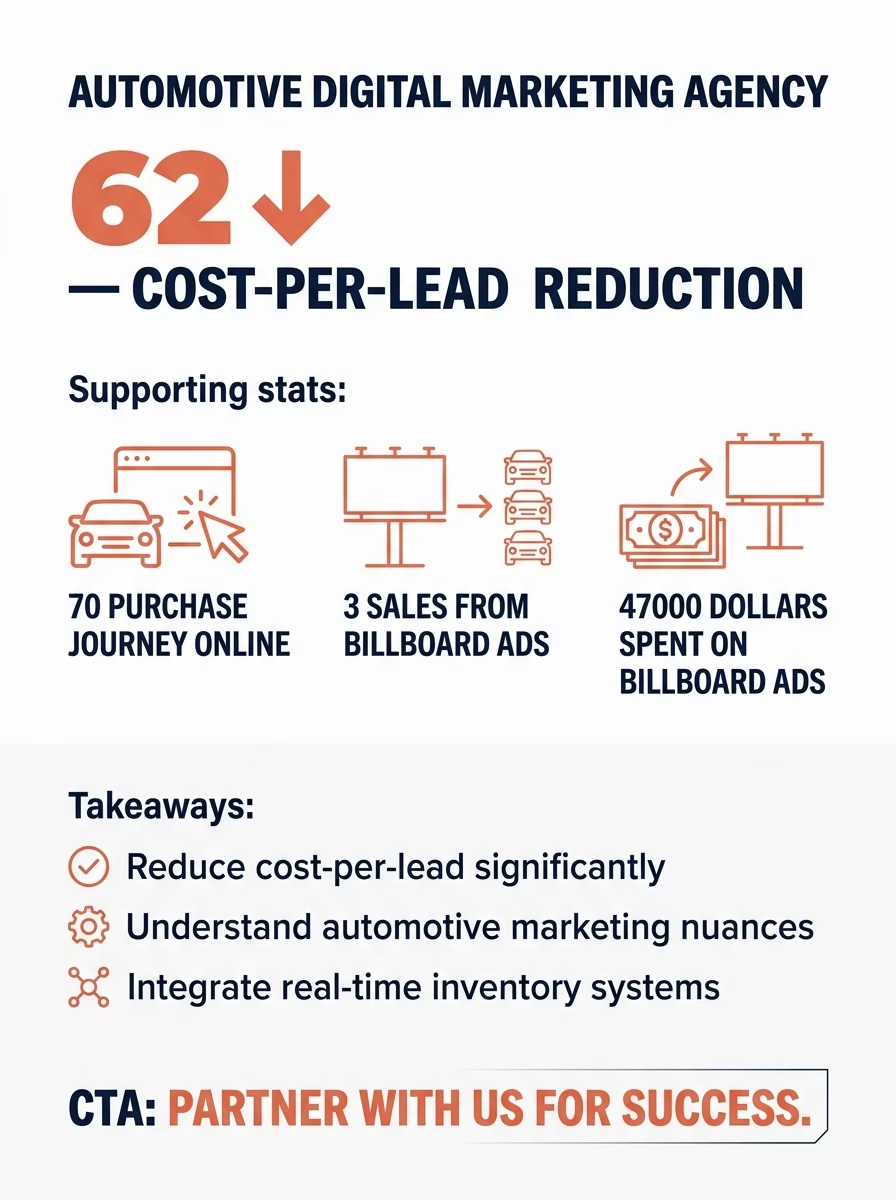
A dealership in mid-sized Michigan town spent $47,000 on billboard ads last year and tracked exactly three sales back to them. Then they hired an automotive digital marketing agency. Within six months, their cost-per-lead dropped by 62%, and they could trace every dollar spent to specific customer actions. That’s the difference between traditional spray-and-pray advertising and data-driven digital strategy.
The automotive industry has always been competitive, but the rules have changed. Buyers now complete 70% of their purchase journey online before ever stepping onto a lot, according to research from Google’s automotive insights team. If your dealership or service center isn’t showing up in those critical early research stages, you’re already behind.
This guide walks through what an automotive digital marketing agency actually does, why generic marketing firms can’t match their specialized expertise, and how to choose the right partner for your business.
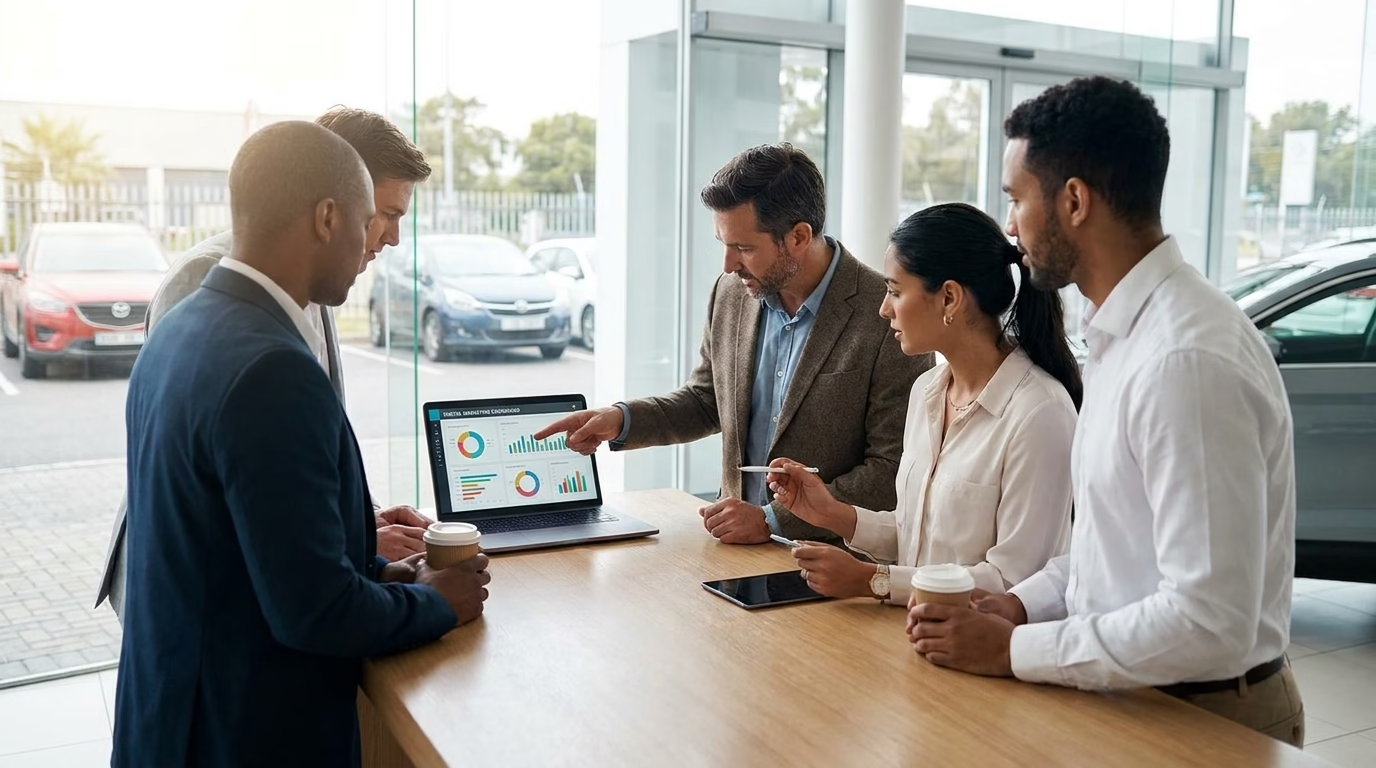
What Makes Automotive Marketing Different
Selling cars isn’t like selling shoes. The purchase cycle stretches weeks or months, not minutes. Customers research dozens of makes and models, compare financing options, read hundreds of reviews, and visit multiple dealerships. Your marketing needs to nurture them through every stage.
Generic marketing agencies treat all clients the same way. They’ll run Facebook ads and maybe set up Google Search campaigns. But they won’t understand conquest campaigns targeting owners of competing brands whose leases are expiring in 90 days. They won’t know how to structure inventory feeds for dynamic vehicle listing ads. And they certainly won’t track Service Lane revenue separately from new vehicle sales.
An automotive digital marketing agency lives and breathes these nuances. They know that a Certified Pre-Owned campaign requires completely different messaging than a new model launch. They understand the difference between owner loyalty marketing and conquest marketing. They’ve built hundreds of campaigns around model year-end clearance events, manufacturer incentive windows, and service appointment reminders.
Inventory-Based Advertising Requires Specialized Systems
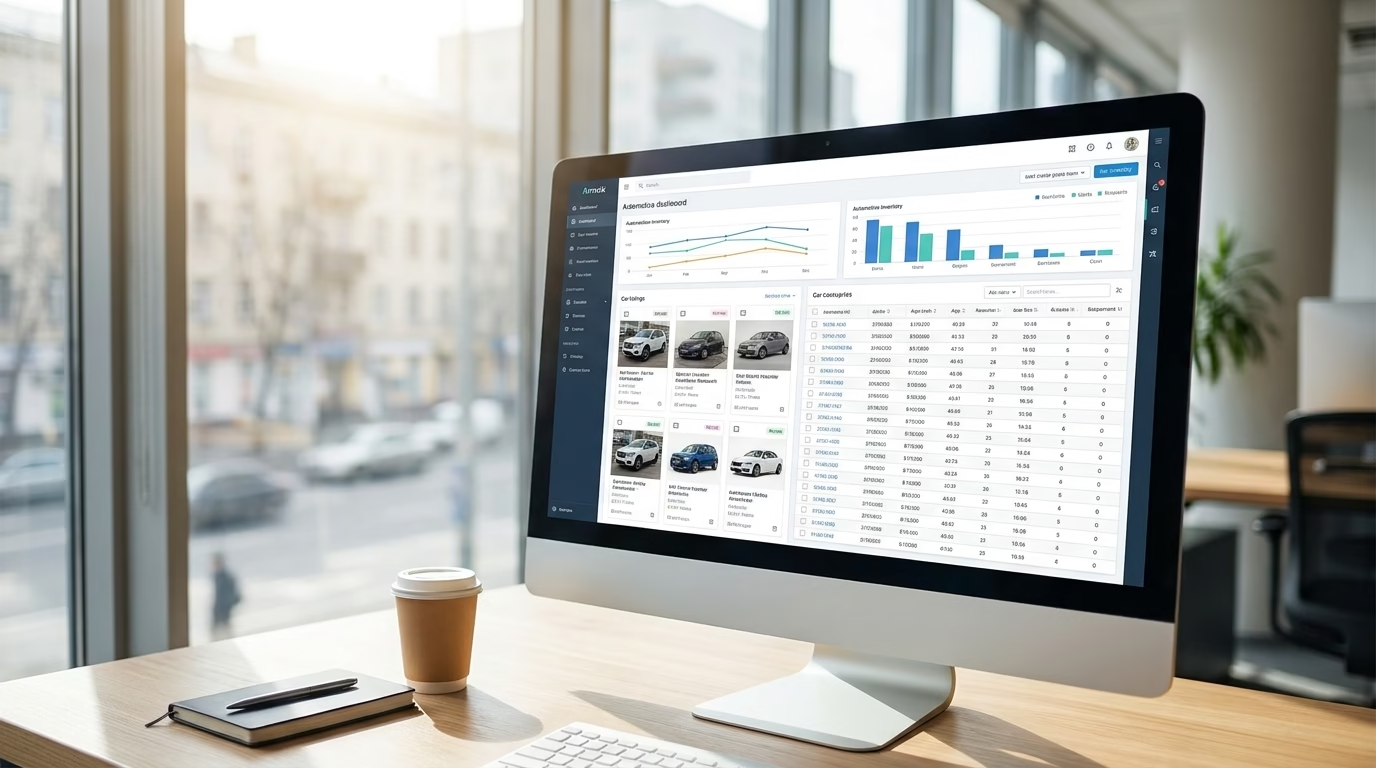
Your inventory changes daily. Someone buys that red F-150, and it needs to disappear from your ads immediately. A shipment of SUVs arrives, and you want them featured within hours. This kind of real-time inventory integration requires technical infrastructure that most agencies simply don’t have.
I’ve watched agencies waste thousands of dollars advertising vehicles that sold days earlier, generating angry phone calls from customers who drove across town for nothing. Specialized automotive platforms sync your DMS (Dealer Management System) with advertising channels automatically, pulling discontinued VINs and pushing fresh inventory without human intervention.
Core Services an Automotive Digital Marketing Agency Provides
The best agencies build comprehensive programs, not one-off campaigns. Here’s what that looks like in practice.
Search Engine Optimization for Automotive
SEO in automotive means ranking for both branded terms (your dealership name) and high-intent searches like “Toyota Tacoma for sale near me” or “BMW brake service Denver.” It requires location pages for every city you serve, VIN-specific vehicle detail pages, and service pages optimized for both make-agnostic searches (“oil change”) and brand-specific ones (“Lexus maintenance schedule”).
Your agency should be building schema markup for vehicle listings, optimizing for Google’s Local Pack, and creating content that answers real buyer questions. Not fluff pieces about “the history of the sedan.” Actual useful content like lease-versus-buy calculators or trim-level comparison guides.
Paid Search and Display Advertising
Google Ads for automotive dealerships requires a completely different account structure than other industries. You’ll need separate campaigns for new vehicles, used inventory, service, parts, and financing. Each campaign should segment by vehicle type, price range, and customer intent.
Conquest campaigns use third-party data to target owners of competing brands. If you sell Hondas, you can serve ads specifically to Toyota Camry owners whose leases expire in the next 120 days. That level of precision requires specialized data partnerships and compliance expertise that full-service digital marketing teams develop over years.
Social Media Management Built for Automotive
Posting a few car photos on Facebook isn’t a social strategy. Effective automotive social media includes new arrival announcements, behind-the-scenes service bay content, employee spotlights, customer testimonials, and time-sensitive offers. It means running Facebook lead ads with dynamic creative that showcases different vehicles to different audience segments based on their browsing behavior.
Your agency should be monitoring social conversations about your dealership, responding to service questions, and handling reputation management across platforms. When someone leaves a negative Google review about their service experience, your team needs to respond professionally within hours, not days.
How to Evaluate an Automotive Digital Marketing Agency
Not all agencies calling themselves “automotive specialists” actually are. Here’s what to look for.
Ask About Their Technology Stack
Do they integrate with your DMS and CRM? Can they pull inventory feeds from vAuto or VinSolutions? Do they use automotive-specific platforms like Dealer.com, DealerOn, or AutoFi? If they’re building everything from scratch with generic tools, you’ll spend months on integration work that specialized agencies complete in weeks.
Review Their Attribution Capabilities
You need to know which marketing channels drive showroom visits, which generate service appointments, and which produce actual sales. Call tracking should tie phone leads back to specific campaigns. Form submissions should feed directly into your CRM with source tagging. According to U.S. Bureau of Labor Statistics data, motor vehicle sales workers rely increasingly on digital lead sources, making accurate attribution business-critical.
An experienced automotive digital marketing agency will show you dashboards tracking cost-per-lead, lead-to-appointment rates, appointment-to-show rates, and show-to-close rates. They’ll break these metrics out by vehicle type, price point, and traffic source. If they can’t show you this level of detail, keep looking.
Check Their Industry Certifications
Google Partner status matters. Facebook Blueprint certification matters. But automotive-specific credentials matter more. Are they certified by CDK Global, Reynolds and Reynolds, or Dealertrack? Do they attend NADA or Digital Dealer conferences? These signals indicate they’re invested in staying current with industry-specific tools and trends.
Measuring ROI From Your Agency Partnership
Your agency should be accountable to numbers that matter: sales, service appointments, and revenue. Not vanity metrics like impressions or page views.
Establish clear KPIs before you start. What’s your current cost-per-vehicle-sold from digital channels? What’s your average closing rate on internet leads versus walk-ins? What percentage of your service customers came from digital campaigns versus repeat business? You can’t measure improvement if you don’t know your baseline.
Good agencies provide monthly reports that tie marketing spend directly to revenue. They’ll show you that the $8,500 you spent on Google Ads generated 47 qualified leads, which resulted in 18 appointments, which closed 6 deals totaling $186,000 in gross profit. They’ll break this down by campaign type so you can see that your service campaigns delivered a 340% ROI while your used vehicle campaigns came in at 210%.
This transparency matters. You’re not buying marketing for the sake of marketing. You’re investing in customer acquisition and retention, and your automotive marketing partner should treat it that way.
Common Mistakes Dealerships Make With Digital Marketing
I’ve seen the same errors repeated across hundreds of dealerships. Learn from them.
Treating All Vehicles the Same
Your marketing for a $90,000 luxury sedan should look nothing like your campaign for a $24,000 compact crossover. The audiences are different, the messaging is different, and the conversion paths are different. Agencies that lump everything into one generic “car ads” campaign waste enormous amounts of money reaching the wrong people.
Ignoring the Service Lane
Most dealerships make more profit from their service department than from vehicle sales. Yet they spend 90% of their marketing budget promoting sales. Your agency should be running campaigns specifically designed to capture service appointments: seasonal maintenance reminders, recall notifications, competitive service pricing offers, and customer win-back programs.
Forgetting About Existing Customers
Acquiring a new customer costs five times more than retaining an existing one. But dealerships constantly chase new prospects while ignoring the 3,000 people in their DMS who’ve bought from them in the past five years. Email campaigns to current owners, loyalty incentives, and trade-in value alerts cost pennies compared to conquest advertising, yet generate significantly higher conversion rates.
The Future of Automotive Digital Marketing
Electric vehicles are changing everything. Not just what you sell, but how you market it.
EV buyers have different questions than traditional car shoppers. They want to know about charging infrastructure, range anxiety solutions, tax incentives, and home charging installation. Your content strategy needs to address these concerns directly. Your landing pages need charging calculators and incentive eligibility tools, not just 0% APR offers.
Meanwhile, privacy regulations continue tightening. Third-party cookies are dying. iOS privacy changes have already crippled some retargeting campaigns. An experienced agency adapts by building first-party data strategies: email collection, loyalty programs, and CRM enrichment that don’t depend on tracking pixels or cookies.
Video content continues growing in importance. Walkaround videos, service explainers, and customer testimonials all outperform static images. TikTok and YouTube Shorts aren’t just for teenagers anymore—they’re legitimate channels for automotive discovery, especially among younger buyers. Your agency should be producing short-form video content weekly, not quarterly.
Choosing the Right Partner for Your Business
Start with a clear definition of what success looks like for your dealership. Are you trying to grow service revenue by 25%? Increase used vehicle turn rate? Improve closing ratios on internet leads? Different goals require different strategies, and you need an agency that can build custom programs, not force you into their standard package.
Interview at least three agencies. Ask each one to audit your current digital presence and present a 90-day action plan. Compare their recommendations. Do they all suggest the same tired tactics, or does someone offer a genuinely fresh approach?
Check references, but do it smartly. Don’t just call the three glowing testimonials they provide. Ask for a list of all their automotive clients, then look those businesses up independently. Read their Google reviews. Check whether their websites actually rank well. Browse their social media to see if it looks professionally managed or abandoned.
The right automotive digital marketing agency becomes an extension of your team. They attend your sales meetings. They understand your market’s competitive dynamics. They celebrate your wins and troubleshoot your challenges. That relationship matters as much as their technical capabilities.
Ready to transform your dealership’s digital presence? Connect with our automotive marketing specialists to discuss a customized strategy for your business.
Frequently Asked Questions
How much should a dealership spend on digital marketing?
Most successful dealerships allocate between $300 and $600 per vehicle sold monthly, with the exact amount varying based on market competitiveness and vehicle mix. A store selling 100 vehicles per month should budget $30,000 to $60,000 for comprehensive digital marketing including search, social, display, and video. New dealerships or those entering competitive markets may need to invest more heavily during their first 6-12 months to build brand awareness and capture market share.
What’s the difference between an automotive marketing agency and a regular agency?
Automotive specialists understand DMS integration, inventory feed management, conquest marketing strategies, OEM compliance requirements, and the unique sales cycle of vehicle purchases. They use automotive-specific platforms and technologies that generic agencies don’t access. Regular agencies can run ads and build websites, but they lack the deep industry knowledge needed to structure campaigns around lease-end cycles, model year transitions, manufacturer incentive programs, and the complex interplay between sales and service marketing.
How long does it take to see results from automotive digital marketing?
Paid advertising campaigns typically generate leads within days, though optimization takes 30-60 days as data accumulates. SEO efforts require 3-6 months before you’ll see significant organic traffic improvements. Social media community building is a 6-12 month investment before you develop a genuinely engaged audience. Expect to commit to at least 90 days before making major strategic decisions, and understand that the best results come from sustained effort over 12+ months as your agency refines targeting, creative, and conversion paths based on real performance data.
Can an automotive digital marketing agency help with manufacturer compliance?
Yes, experienced agencies understand OEM advertising guidelines and co-op funding requirements from manufacturers like Ford, Toyota, GM, and others. They ensure your campaigns meet brand standards for logo usage, approved messaging, and creative specifications so you can claim available co-op dollars. They’ll also help you navigate MAP (Minimum Advertised Price) policies, manufacturer-required disclosures, and regional advertising restrictions. This compliance expertise prevents costly mistakes and maximizes your use of manufacturer advertising support, which can offset 30-50% of your marketing costs.
Related: PPC Services Everett — Read our full guide on this service.
Related: Partner Best Marketing Firms Texas City, TX — Read our full guide on this service.