12922 Briarwest Cir
Houston, TX 77077
Phone
(713) 737-5529
info@actualseomedia.com



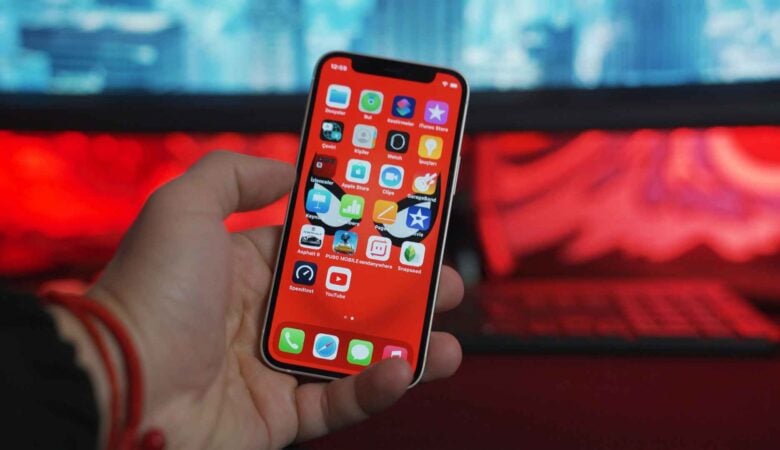
As more on-the-go consumers use mobile devices for car research and purchases, automotive PPC Simi Valley, California becomes increasingly important for reaching these potential buyers. With the ability to create mobile-optimized ads, automotive PPC can help car dealers connect with consumers at the right moment, whether comparing prices or searching for local dealerships.
Pay-per-click (PPC) advertising is especially beneficial for dealership websites when you want to drive targeted traffic to your site quickly, showcase special offers, or promote new inventory.
The way people search for and purchase cars has changed dramatically over the past few years. Smartphones and tablets, in particular, have become the main tools people use to research, compare, and even buy cars. This shift has had a significant impact on dealership marketing strategies.
Statistics show that mobile searches for automotive-related queries have surpassed desktop searches. Consumers are using their phones to look up information while on the go, whether comparing prices, checking out dealership reviews, or even finding directions to the nearest dealership. This trend has made it clear that mobile search is now a crucial component of any automotive PPC strategy.

One key reason for this shift is the convenience that mobile devices offer. Consumers can search for information anytime, anywhere, making it easier to stay informed and make decisions quickly. For auto marketers, this means that your ads need to be mobile-friendly to reach people who are always on the go.
Another factor driving the rise of mobile search in automotive marketing is the increasing use of local searches. Consumers often search for dealerships or cars “near me,” expecting to find relevant results within their vicinity. This behavior underscores the importance of location-based targeting in mobile automotive PPC campaigns.
Basically, the rise of mobile search has transformed the landscape of automotive marketing. To stay competitive, dealerships must focus on creating mobile-optimized automotive PPC campaigns that cater to the needs and behaviors of today’s on-the-go consumers.
A great mobile-focused automotive PPC campaign requires careful attention to several essential components in order to be effective. Each component is important in ensuring that your advertisements reach mobile users properly and resonate with them. Here are the most critical parts that you should focus on.
The first component of a mobile-focused automotive PPC campaign is the ad copy and creative. People who use mobile devices tend to have shorter attention spans, so your writing needs to be short, interesting, and directly related to what they want. Avoid long paragraphs and focus on sending a clear message showing how your deal will help people.
For example, instead of a generic ad that says “Visit Our Dealership,” a mobile-optimized ad might say, “Find Your Next Car in Minutes – Visit Us Today!” This type of copy speaks directly to the urgency and convenience that mobile users value.
People who use mobile devices often look for goods and services that are close to where they are. Using location-based targeting in your automotive PPC campaigns will ensure your ads are shown to people close to your store. This makes conversions more likely because these people will enter your dealership in person.
Ad extensions, such as phone numbers, addresses, or links to specific pages on your website, can be added to your ads. For mobile-focused automotive PPC campaigns, using mobile-specific ad extensions like click-to-call buttons or map directions can significantly enhance the effectiveness of your ads.
Another important component of mobile-focused automotive PPC is adjusting your bids for mobile devices. Since mobile users may have different behaviors and needs than desktop users, it’s important to optimize your bidding strategy accordingly. Increasing bids for mobile devices can help ensure that your ads are shown to the right audience at the right time.

Reaching a user’s clickstream is only the beginning of automotive PPC. The key to converting those clicks into sales is having landing pages that work well on mobile devices. A well-designed website navigation can mean the difference between a visitor staying on your website and taking action or leaving without engaging further.
Your landing page’s design should be minimalistic and uncluttered to provide a smooth user experience. People on their phones should be able to quickly and easily find the information they need without having to scroll a lot or zoom in to read text. Use a responsive website design that adapts to all screen sizes to guarantee that your home page looks fantastic on all devices.
The speed of your pages is very important for the success of your mobile landing pages. Mobile users are often on the go and may not have the patience to wait for a slow-loading page. Visitors will likely leave your landing page if it takes too long to load, which means you lose potential possibilities. To optimize load times, compress images, minimize the use of heavy scripts, and consider using a content delivery network to speed up content delivery.
If your landing page asks visitors to provide information (e.g., a contact form or an information request), keep the form as straightforward as possible. Long, complicated forms can be a major deterrent for mobile users. Instead, focus on collecting only the most essential information and use large, easy-to-tap form fields that make it quick and easy for users to complete the form.
Your mobile landing page should have a clear and compelling call-to-action (CTA) that guides users toward the next step. Whether it’s scheduling a test drive, calling the dealership, or filling out a form, the CTA should be prominently displayed and easy to interact with on a mobile device. Make sure the call-to-action button is big enough to be quickly tapped on a touchscreen and use language that gets people to take action.
The content on your mobile landing page should be concise and directly relevant to the user’s needs. Use bullet points, short paragraphs, and clear headings to break up the text and make it easier to read on a small screen. Include high-quality images or videos that showcase your vehicles and services, but be mindful of file sizes to avoid slowing down the page.

Social media sites are a great way to reach customers who are on the go, so they should be a big part of any mobile-focused automotive PPC plan. Every day, millions of people use their phones to access social media sites. These sites give businesses a unique chance to connect with potential buyers where they spend most of their time online.
Social media websites are inherently mobile-friendly, with a large percentage of users accessing these sites through their smartphones. As a result, social media is a great place for mobile automotive PPC marketing. You can reach people in a more personal and interesting way by putting ads on these sites. Often, people are more open to your message when they have time to themselves.
When creating automotive PPC ads for social media, it’s important to tailor your content to the platform and audience. Here are some best practices to keep in mind.
Location-based targeting is particularly powerful on social media platforms. By combining location data with user interests and behaviors, you can create highly targeted automotive PPC campaigns that reach users who are most likely to visit your dealership. For example, you can target users within a certain radius of your dealership who have recently searched for or engaged with automotive content.

Automotive PPC that is mobile-focused has many advantages, but it also has some drawbacks. To make sure your mobile efforts work, you need to understand and deal with these problems.
Some people get so used to seeing phone ads that they stop paying attention to them. This is called ad fatigue or banner blindness. To stop this, you should ensure your ads are always new and interesting. Regularly update your ad creatives and experiment with different formats to maintain user interest.
Mobile screens are smaller than PCs, so you have less room to say what you want. This can make it hard to make ads that get people’s attention without being too much for them. Focus on clear, short messages and high-quality images that can quickly show the value of what you offer.
Also, it can be harder to keep track of how well mobile automotive PPC campaigns are doing than desktop campaigns, especially when measuring conversions. People may see your ads on their phones but convert on a different device, which makes it hard to link the conversion to the right campaign.
You can circumvent this by using cross-device tracking and analytics services, which give you a more accurate picture of how people use different devices. This will give you a better idea of how well your mobile PPC ads are doing and help you decide where to spend your money.
Consistency across devices is essential for a seamless user experience. Users may start their journey on a mobile device and then switch to a desktop or tablet to complete their research or make a purchase. Ensure that your messaging, visuals, and user experience are consistent across all devices to avoid confusion and maintain strong branding.
Not all mobile devices are the same, and what works on one may not work on another. Different screen sizes, operating systems, and device capabilities can impact how your ads are displayed and interacted with. Test your ads on a variety of devices to ensure they look good and function well across the board.

When it comes to running successful automotive PPC campaigns, focusing on mobile users is essential. More and more consumers are using their mobile devices for car research and purchases, so it’s important to know how to optimize your PPC strategy for mobile. In this section, we’ll answer some common questions about mobile-focused automotive PPC.
What are the most effective ad formats for mobile automotive PPC? The most effective ad formats for mobile automotive PPC include responsive search ads, call-only ads, and mobile display ads. These formats are designed to engage mobile users quickly and effectively, providing them with the information they need while on the go.
How can I ensure my landing pages are mobile-friendly? Use a responsive design that adjusts to different screen sizes. Optimize for fast load times, streamline forms, and use large, easy-to-tap buttons. Make sure the content is concise and visually appealing for mobile users.
What role does location-based targeting play in mobile PPC? Location-based targeting is crucial in mobile PPC because it allows you to reach users who are near your dealership and more likely to visit in person. By targeting users based on their location, you can deliver more relevant ads and increase the chances of conversions.
How do mobile PPC campaigns differ from desktop campaigns? Mobile PPC campaigns differ from desktop campaigns in several ways, including the need for shorter, more concise ad copy, mobile-friendly landing pages, and the use of mobile-specific ad formats. Mobile campaigns also often include location-based targeting and higher bids for mobile devices.
What are common mistakes to avoid in mobile-focused automotive PPC? Common mistakes to avoid in mobile-focused automotive PPC include not optimizing landing pages for mobile, using overly long ad copy, failing to track cross-device conversions, and not regularly updating ad creatives. Ensuring your ads are visually appealing and easy to interact with on mobile devices is also key to success.
For more insights, be sure to check out our blog tab and FAQs page.
If you want to reach more customers and increase sales, focusing on mobile automotive PPC is essential. With more people using their phones to search for cars, having a strong mobile presence can make all the difference for your dealership. At Actual SEO Media, Inc., we specialize in helping dealerships like yours create effective mobile PPC campaigns that connect with on-the-go consumers.
When it comes to mobile advertising, our team of specialists knows how to get your PPC ads noticed. We will optimize your ad copy and landing sites and target the proper audience. We can tailor a mobile PPC plan to meet your specific needs, whether they be an increase in traffic, leads, or sales.
Don’t let your dealership fall behind in today’s mobile-first world. Give us a call or visit our Houston office to learn more. Schedule your free consultation with us, and let’s start driving more traffic to your dealership with powerful, results-driven automotive PPC campaigns.


12922 Briarwest Cir
Houston, TX 77077
Phone
(713) 737-5529
info@actualseomedia.com
19901 Southwest Fwy #310
Sugar Land, TX 77479
Phone (281) 962-6166
sugarland@actualseomedia.com
24044 Cinco Village Center Blvd #100
Katy, TX 77494
Phone (281) 962-7777
katy@actualseomedia.com
1880 S Dairy Ashford Rd Suite 682
Houston, TX 77077
Phone (346) 946-9494
seo@actualseomedia.com
2800 Post Oak Blvd Suite 4100
Houston, TX 77056
Phone (832) 390-2407
williamstower@actualseomedia.com
10210 Grogans Mill Rd Suite 230,
The Woodlands, TX 77380
Phone (713)
201-7666
thewoodlands@actualseomedia.com
16310 Texas 249 Access Rd Suite 1303, Houston, TX 77064
Phone (832) 834-0661
tomball@actualseomedia.com
| Day | Hours |
|---|---|
| Sunday | 8:00 AM- 8:00 PM |
| Monday | 8:00 AM—8:00 PM |
| Tuesday | 8:00 AM—8:00 PM |
| Wednesday | 8:00 AM—8:00 PM |
| Thursday | 8:00 AM—8:00 PM |
| Friday | 8:00 AM—8:00 PM |
| Saturday | 8:00 AM—8:00 PM |
