12922 Briarwest Cir
Houston, TX 77077
Phone
(713) 737-5529
info@actualseomedia.com



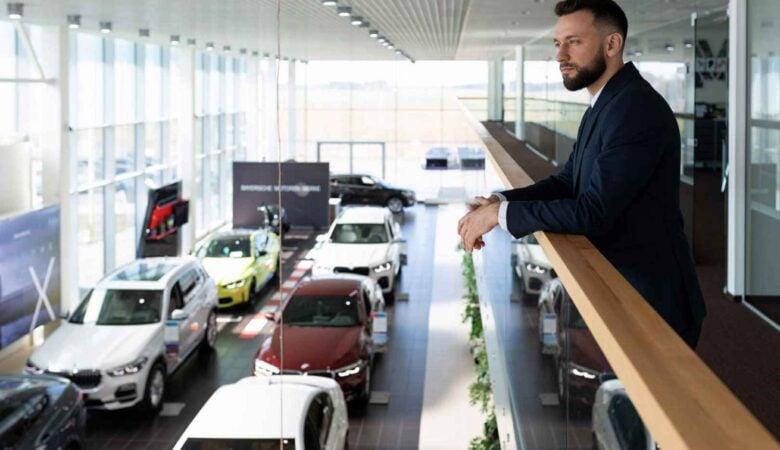
Connect with next-gen customers in a way that is both authentic and cutting-edge by using smart auto marketing Tempe; Arizona.
Today, the auto industry is changing faster than ever, and electric vehicles (EVs) are a big part of that. As EVs move from niche innovation to mainstream reality, they’re redefining transportation and reshaping how car dealerships must market themselves. These vehicles embody cutting-edge technology, proving that it’s not just about flaunting horsepower and aesthetics.
The upcoming wave of car ownership is driven by Millennials and Gen Z buyers. They research online before visiting dealerships, read reviews before making decisions, and expect personalized experiences from every brand they engage with. Traditional dealership marketing methods like print ads, billboards, or generic sales pitches no longer resonate with them.
Car dealerships must instead turn to smart auto marketing. By using data-driven insights, digital-first strategies, and authentic storytelling, dealerships can reach and connect with this modern audience more effectively than ever. Instead of focusing on making a sale, try to build relationships based on trust, value, and innovation. To connect with the next generation of EV buyers, dealerships need to change up their approach and focus on smarter, more human-centered marketing strategies.
Before creating campaigns or launching ads, it’s essential to understand who today’s EV buyers are and what motivates them. The modern electric vehicle shopper is younger, digitally savvy, and driven by values that go beyond brand loyalty. A lot of them are first-time EV buyers who really care about being green and lowering their impact on the environment. They are interested in new technology, want to save energy, and can’t wait to be a part of the future of driving.
These people start their car-buying process online, often months before they even set foot in a showroom. They use search engines, YouTube reviews, and social media to compare models, learn about charging options, and find out how to maintain electric and gas-powered cars. They expect brands to educate, not just advertise.
Old-school marketing tricks, such as catchy slogans or aggressive sales pitches, just don’t resonate with this crowd. For EV buyers, what matters most are openness, education, and social duty. When car dealers give them honest comparisons, make costs clear, and stress long-term value, they’re more likely to take action. Knowing these reasons helps dealerships make sure their messages are in line with what matters most: trust, understanding, and sustainability.

So, what exactly is smart auto marketing? Simply put, it’s marketing that uses data, technology, and creativity together to connect with customers in more meaningful ways. It’s about knowing who your audience is, where they spend their time, and what information they need to make confident decisions.
Smart auto marketing for EVs blends traditional principles with modern tools, like SEO, PPC advertising, social media campaigns, and storytelling that highlights real human experiences. It’s a shift from promoting vehicles to promoting the value and purpose behind them.
For car dealerships, this means understanding digital behavior and building strategies around those insights. It’s also about creating long-term engagement rather than one-time sales. Every piece of content, from a blog post to a YouTube video, should aim to educate and inspire confidence in your dealership.
The EV market is growing quickly, and the dealerships that adopt smart auto marketing early will be best positioned to lead it. Those who cling to old methods risk being left behind as younger generations increasingly favor dealerships that match their digital lifestyles and eco-friendly values.

For EVs, awareness is everything. Many potential buyers are curious but unsure. They’ve heard about electric vehicles but still have questions about cost, range, and charging. A dealership that provides clear, engaging, and accurate information online immediately stands out as a trusted source.
To begin, make your website better by adding EV-specific pages that show off different models, compare features, and answer common questions. Blog posts like “How to Choose the Right Electric Vehicle for Your Lifestyle” or “Understanding EV Charging at Home vs. Public Stations” can attract organic traffic from shoppers still in the research phase. Use keywords that are related to your site, like “best electric cars in Tempe” or “EV incentives near me.”
Pay-per-click ads can also be very important. Running PPC campaigns that focus on local EV searches or available rebates can drive immediate visibility. Social media ads on platforms like Facebook, Instagram, or LinkedIn allow dealerships to reach audiences based on interests such as sustainability or technology.
Promoting learning through marketing is the best way to build trust early on in the buying process. Bring out the good things about EVs and talk about government incentives or charging choices. A dealership can build trust with wary first-time EV buyers by choosing honesty over pushy sales tactics.
Data and facts help people make choices, but stories are what connect people. Younger buyers are buying into a lifestyle that reflects their values. Storytelling helps dealerships make their brand more real and connect with their audience on an emotional level.
Instead of focusing solely on product features, tell stories about how electric vehicles improve lives. Share testimonials from happy EV users who like saving money on gas or making the world a greener place. Show off workers who are into EVs and being environmentally friendly. Behind-the-scenes videos of your dealership’s efforts to adopt eco-friendly practices also build credibility.
Visual storytelling is especially effective on social platforms. Next-gen viewers like short videos, Instagram reels, or TikToks that show EV test drives, staff interviews, or “day in the life” clips. These formats show that you are genuine, which is something that standard advertising doesn’t always do.

With voice assistants like Alexa, Siri, and Google Assistant becoming more common, optimizing for voice search is an essential part of any modern auto marketing plan.
Voice searches are conversational. Instead of typing “EV dealership Tempe,” people ask, “Where can I test drive an electric car near me?” This means your content should include natural, question-based phrases that reflect how people talk. Incorporate these into your blogs, FAQs, and landing pages.
Visual search is also on the rise. Buyers often upload or scan images of vehicles to find more information online. To take advantage of this trend, make sure your website images are properly labeled with alt text and descriptive filenames. High-quality photos, infographics, and short-form videos help your EV listings appear in Google Images and video results.
Schema markup also improves how Google understands your content, making it easier to qualify for rich search results. By optimizing for both voice and visual search, your dealership ensures it can reach buyers on every platform and every device they use.
Smart auto marketing makes personalization possible through data analytics, retargeting, and automated tools that tailor the experience to each user’s behavior.
When someone visits your website to browse EV models, use smart tracking tools to display relevant retargeting ads later. Send personalized messages that address their specific interests. Offer virtual consultations or online chat support for questions about charging or range.
Interactive tools such as online financing calculators or 3D vehicle tours add convenience and engagement. They allow buyers to explore features, colors, and payment options without stepping foot in the dealership. After a purchase, continue the relationship by sending EV maintenance reminders or educational updates about software features and battery care.
Personalization shows that you care about the whole journey of each customer, not just the purchase. When combined with authentic communication and digital convenience, it becomes one of the strongest tools for attracting and retaining next-generation EV buyers.

For younger, tech-savvy audiences, social media is a discovery tool. The next generation of EV buyers often encounters new vehicles, reviews, and dealership brands for the first time on platforms. Smart dealerships recognize that social media is a critical part of building awareness and trust.
Focus on creating content that feels authentic and informative rather than promotional. Instead of posting static ads, showcase real people and real stories. For example, record a short TikTok explaining how far a single EV charge can take you or a YouTube walkthrough comparing charging times between models. Quick, visually engaging videos like these perform better than overly polished commercials because they feel genuine and relatable.
Work with people who care about the environment or local content creators whose ideas already fit with those of your business. A trusted promoter who talks about their test drive at your lot can naturally reach thousands of people who might be interested in buying. Encourage user-generated content too. Ask happy customers to use a brand-specific hashtag when they share their own EV pictures or reviews.
Keep an eye on the data to see which posts get the most interaction. What people like, share, and write on can show you what they’re most interested in. These insights can help you plan your next campaigns and keep reaching your audience where they are most active.
Next-generation car buyers can spot inauthentic marketing a mile away. They want honesty, not hype. Transparency is one of the strongest tools a dealership can use to build credibility and long-term loyalty, especially when promoting EVs.
Be upfront about everything. Many shoppers are new to electric vehicles and still have concerns about performance, charging infrastructure, and long-term ownership costs. Clear explanations about warranties, battery longevity, and available charging options eliminate confusion and foster trust.
Consider publishing content that educates rather than sells. Blog posts like “What to Expect When Switching from Gas to Electric” or “The Real Cost of Charging an EV” address common fears with practical information. Share real customer experiences or case studies that highlight both the pros and cons of EV ownership.
Transparency also extends to your dealership’s own operations. If you’ve implemented green initiatives, you should showcase these efforts. These actions demonstrate that your dealership genuinely supports the movement toward sustainability.
When customers see that your dealership has honesty and accountability, they’re more likely to trust your recommendations, return for future purchases, and share their experiences with others.
Smart auto marketing demands your attention once it’s launched, as it needs ongoing adjustments. Measuring your results and adapting to insights ensures that your EV marketing stays effective as buyer behavior and technology evolve.
Use tools like Google Analytics, Search Console, and social media dashboards to track the success of your content and ads. Focus on metrics like organic traffic, lead conversions, time spent on EV landing pages, and click-through rates on calls to action. These numbers reveal how users are engaging with your dealership online.
Experimentation serves as a valuable strategy. A/B test your ad copy, headlines, or video thumbnails to see which variations perform best. For example, a campaign emphasizing “Zero Emissions” might resonate better than one focused on “Low Maintenance Costs.” Conducting small tests allows you to fine-tune your messaging and make informed decisions about your budget allocation.
Don’t forget to gather direct feedback from customers. Short post-purchase surveys or follow-up messages asking, “How did you find us?” or “What made you choose an EV?” can uncover valuable insights into how buyers interact with your dealership.
Smart marketing never stands still. As new EV models, digital platforms, and consumer trends emerge, your dealership should always be ready to adjust its approach and stay ahead of the curve.

In the digital-first world, visibility is everything. SEO and PPC are essential pillars for driving success in any smart auto marketing campaign. Search engine optimization (SEO) helps your website rank organically for certain search terms. Pay-per-click (PPC) advertising complements SEO by delivering immediate visibility.
For EV auto marketing, SEO means optimizing articles for phrases like “EV incentives near me,” “electric car dealership in Tempe,” or “best electric vehicles for families.” By creating informative blogs, comparison guides, and location-based pages, you ensure your dealership shows up exactly when buyers are searching for answers.
PPC advertising complements SEO by delivering immediate visibility. With PPC, your dealership’s ads can appear at the top of Google results or social feeds targeting high-intent keywords. For example, you might run Google Ads promoting “Schedule an EV Test Drive” or Facebook campaigns highlighting tax credit information. PPC is especially useful for driving quick results while your long-term SEO strategy builds momentum.
The two work together like two parts of the same machine. PPC increases exposure and lead creation quickly, while SEO builds trust and authority over time. When dealerships use both, they get better business, more sales, and a stronger brand name.
Actual SEO Media, Inc. helps dealerships adapt to digital trends, optimize their visibility, and connect with the right audience. With our support, your dealership can attract more next-generation car buyers, dominate search results, and stay ahead in the rapidly expanding EV landscape.
How can dealerships build trust with skeptical first-time EV buyers? Many new buyers still have concerns about battery life, range, and charging infrastructure. Address these openly through blog posts, FAQs, and videos that provide real information instead of sales pitches.
Can smaller dealerships compete with larger brands in EV marketing? Absolutely. Smaller dealerships can use agility to their advantage. By focusing on local SEO, authentic storytelling, and targeted digital ads, smaller dealerships can establish stronger community connections and respond faster to customer trends.
To explore more insights on reaching EV audiences, visit our blog for detailed guides on SEO, PPC, and digital strategy. Visit our FAQs page for dealership marketing and electric vehicle trends.
The future of auto sales is electric, and the dealerships that embrace smart marketing today will be the ones leading tomorrow. Now is the time to innovate and evolve. Contact us today to schedule a free online marketing consultation. Visit us in person to see how we can help your dealership drive into the future.


12922 Briarwest Cir
Houston, TX 77077
Phone
(713) 737-5529
info@actualseomedia.com
19901 Southwest Fwy #310
Sugar Land, TX 77479
Phone (281) 962-6166
sugarland@actualseomedia.com
24044 Cinco Village Center Blvd #100
Katy, TX 77494
Phone (281) 962-7777
katy@actualseomedia.com
1880 S Dairy Ashford Rd Suite 682
Houston, TX 77077
Phone (346) 946-9494
seo@actualseomedia.com
2800 Post Oak Blvd Suite 4100
Houston, TX 77056
Phone (832) 390-2407
williamstower@actualseomedia.com
10210 Grogans Mill Rd Suite 230,
The Woodlands, TX 77380
Phone (713)
201-7666
thewoodlands@actualseomedia.com
16310 Texas 249 Access Rd Suite 1303, Houston, TX 77064
Phone (832) 834-0661
tomball@actualseomedia.com
| Day | Hours |
|---|---|
| Sunday | 8:00 AM- 8:00 PM |
| Monday | 8:00 AM—8:00 PM |
| Tuesday | 8:00 AM—8:00 PM |
| Wednesday | 8:00 AM—8:00 PM |
| Thursday | 8:00 AM—8:00 PM |
| Friday | 8:00 AM—8:00 PM |
| Saturday | 8:00 AM—8:00 PM |
